
Integrative Medicine

Neuro Acupuncture, Classical Acupuncture, Chinese Herbal Medicine & Naturopathic Care
At Complete Balance, our integrative medicine team in North York / Stouffville / Toronto combines Traditional Chinese Medicine (TCM) and Naturopathic Medicine to support the body’s natural healing systems.
These therapies help regulate the nervous system, improve circulation, reduce inflammation, and restore internal balance. Treatments are often integrated with physiotherapy, rehabilitation, and neurological therapies to support recovery and long-term health.
Patients commonly seek integrative medicine care for neurological disorders, chronic pain, digestive concerns, hormonal imbalance, fatigue, stress-related illness, and inflammatory conditions.
To learn more about specific health conditions we support, please visit our Conditions We Treat page.
Neuro Acupuncture
Zhu’s Scalp Acupuncture (ZSA) is one of four major scalp acupuncture systems practiced worldwide and is internationally recognized for its effectiveness in treating neurological and neuro-musculoskeletal conditions.
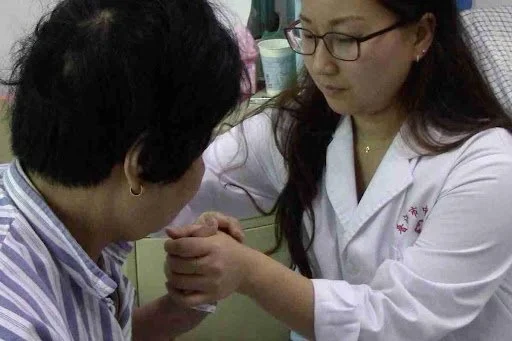
Advanced Scalp Acupuncture for Neurological Recovery
Neuro-acupuncture is a foundational component of our neurological care program.
At Complete Balance, we utilize Zhu’s Scalp Acupuncture (ZSA), an advanced scalp acupuncture system that uses precise brain mapping to stimulate areas of the brain responsible for motor control, sensation, speech, cognition, hearing, taste, and vision.
Neuro-acupuncture acts as a catalyst for neuroplasticity, helping the brain form new neural pathways and strengthen weakened connections—changes that may otherwise occur very slowly or not at all.
By stimulating targeted neurological regions, treatment helps improve communication between the brain, spinal cord, and peripheral nerves, supporting functional recovery following neurological injury or dysfunction.
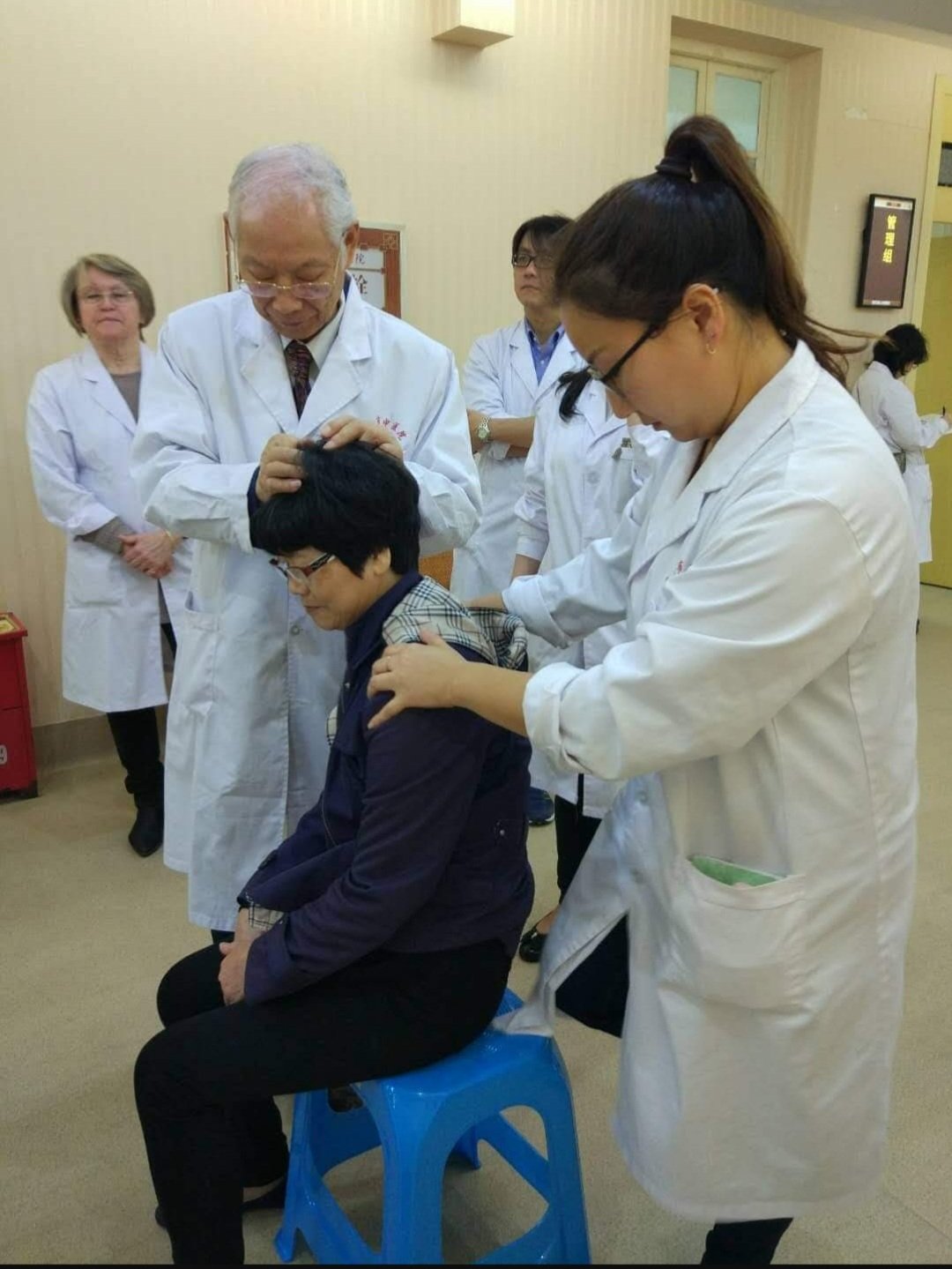
Frequently Asked Questions About Zhu’s Scalp Acupuncture
-
ZSA differs from conventional acupuncture in several important ways:
Targeted brain-based treatment zones rather than meridian-only points
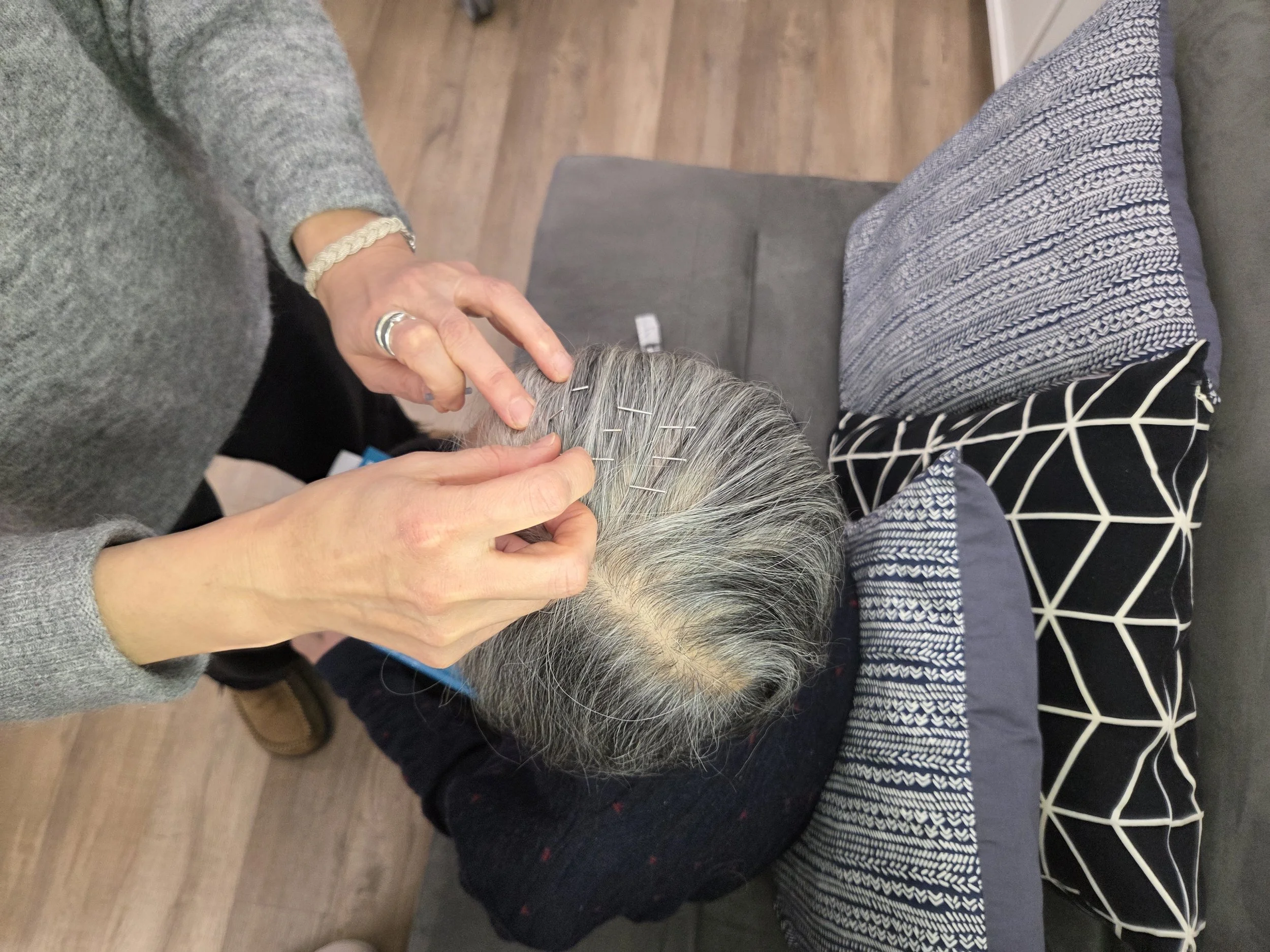
Short, fine needles inserted superficially into the scalp
Specific needle angles and manipulation techniques unique to the Zhu system
Patients may receive treatment lying down, seated, or side-lying, depending on condition and tolerance
Because the scalp has a rich network of nerves, blood vessels, and connective tissue directly connected to the central nervous system, ZSA allows for direct neurological stimulation without invasive procedures.
-
Zhu’s Scalp Acupuncture works by stimulating neuroplasticity—the brain’s ability to reorganize, adapt, and form new neural connections.
When needles are placed into specific scalp zones, they stimulate:
Cerebral blood flow
Cortical activation
Neural signaling pathways
Sensory and motor integration
This stimulation helps the brain reconnect disrupted neural pathways, especially following injury, degeneration, or inflammation. Unlike medications or surgical interventions, ZSA does this without systemic side effects, making it suitable for both acute and long-term neurological care.
Many patients notice changes during or immediately after treatment, such as improved movement, sensation, speech, clarity, or pain reduction, while others experience progressive improvement over a series of treatments.
-
ZSA is particularly effective for neurological and neuro-functional conditions, including but not limited to:
Stroke recovery (acute and chronic)
Traumatic Brain Injury (TBI)
Post-concussion syndrome
Parkinson’s disease
Multiple Sclerosis (MS)
ALS
Alzheimer’s and cognitive decline
Bell’s Palsy and facial paralysis
Spinal cord injuries
Cerebral palsy
Neuropathy and nerve damage
Neuralgia
Vertigo and dizziness
Migraine and chronic headaches
Neurodevelopmental & Cognitive Conditions
Autism spectrum disorder (ASD)
ADHD / ADD
Learning disabilities
Developmental delays
Speech and language delays
Sensory processing challenges
Emotional regulation difficulties
ZSA supports these conditions by promoting neuroplasticity, cortical activation, sensory-motor integration, and nervous system balance, which may help improve focus, regulation, coordination, communication, and functional abilities over time.
Neuro-acupuncture is often integrated with rehabilitation therapies to help improve movement, coordination, and nervous system function.
Classical Acupuncture
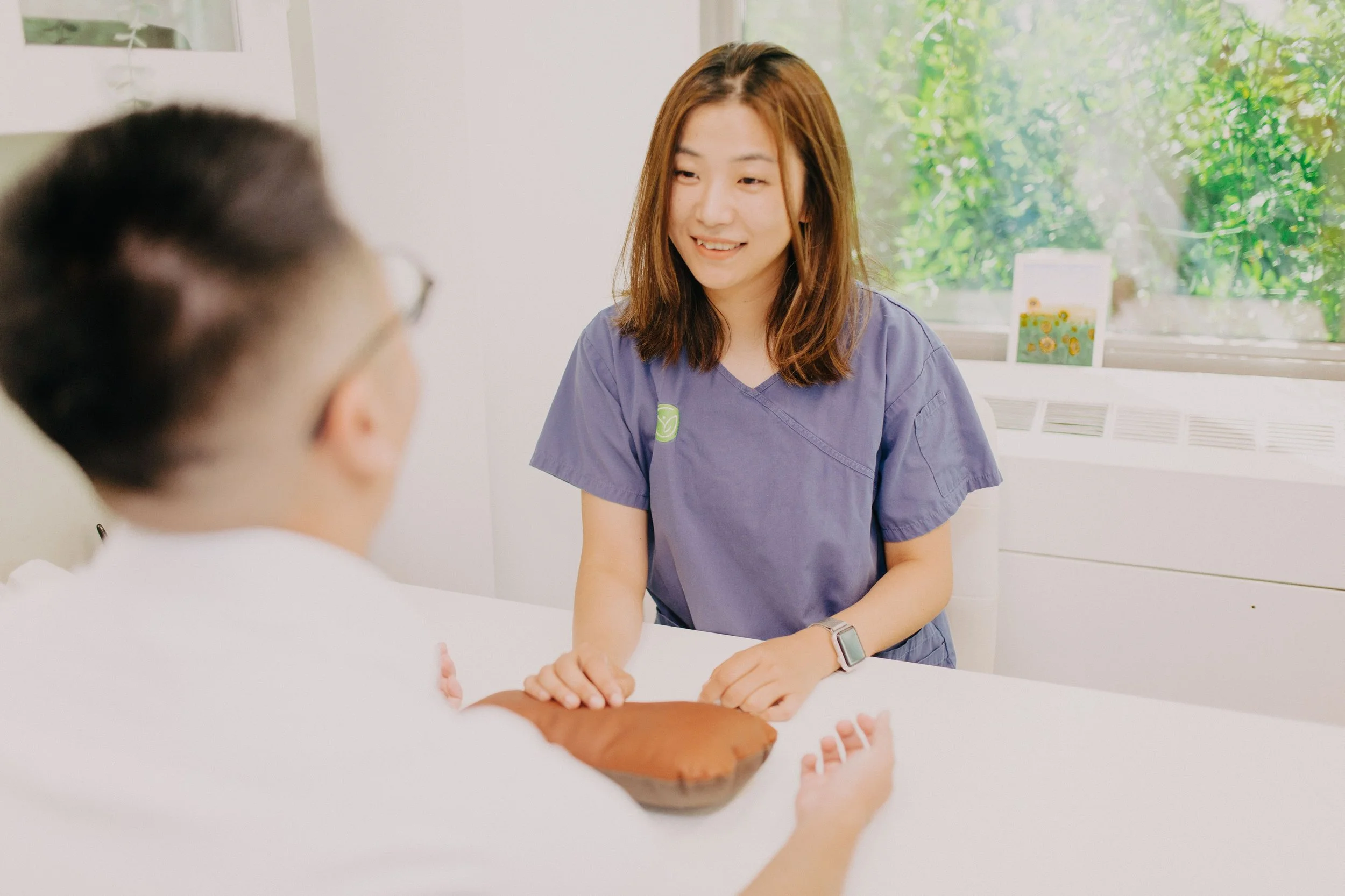
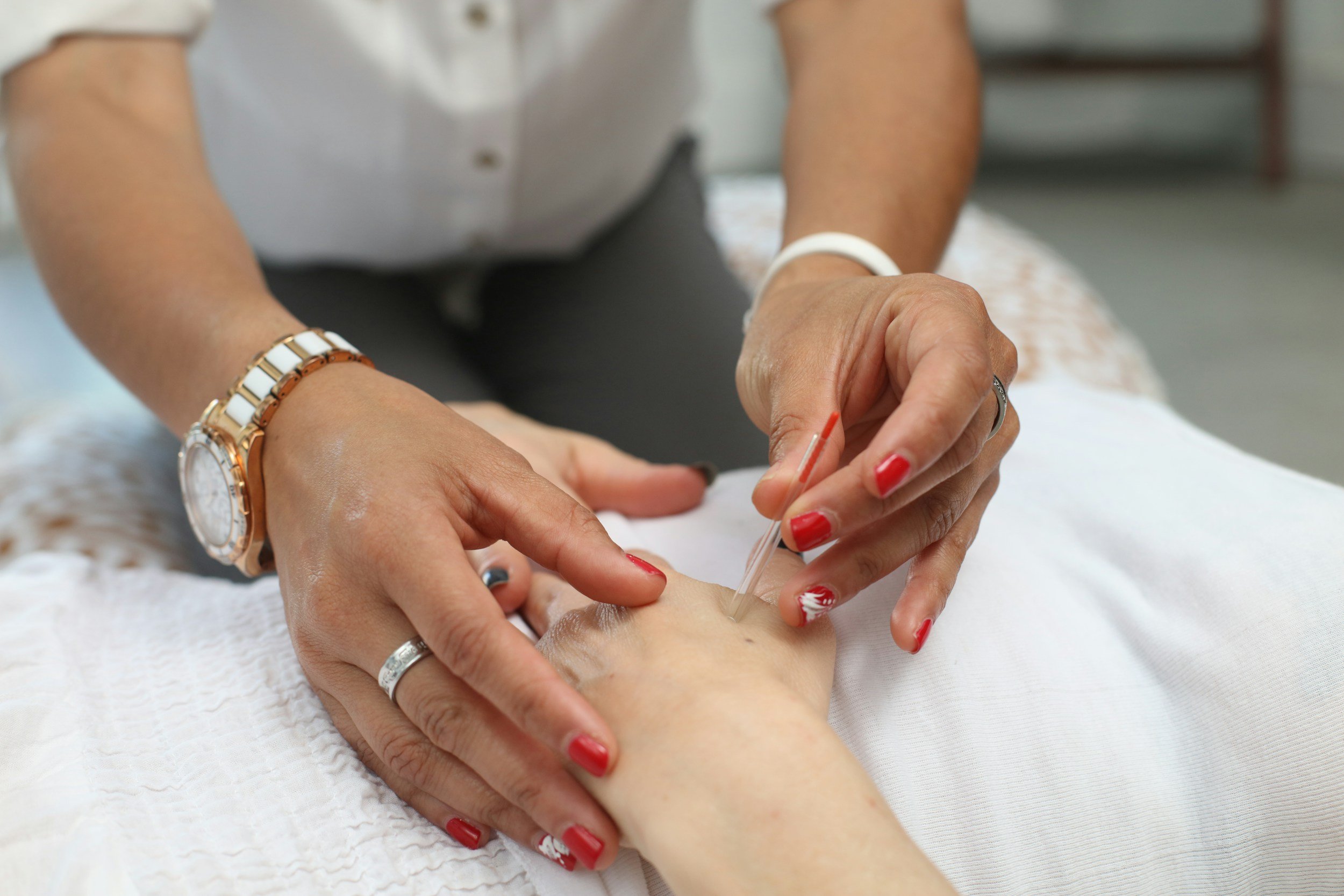
Classical Acupuncture is rooted in the original Chinese medical texts such as the Huang Di Nei Jing and emphasizes treating the whole human being in relationship to their internal state, lifestyle, and environment, rather than treating isolated symptoms or diagnoses.
Rather than following fixed protocols, Classical Acupuncture is pattern-based and individualized, adapting treatment to the person’s constitution, life stage, and current condition.
Frequently Asked Questions About Classical Acupuncture
-
While modern TCM includes many effective techniques, Classical Chinese Medicine goes deeper into the original medical philosophy.
At our clinic, Classical Acupuncture:
Treats the person, not just the condition
Considers environment, diet, emotions, climate, and lifestyle
Uses flexible systems such as Tung Acupuncture, Balance Method, and classical bone setting
Avoids one-size-fits-all or symptom-only protocols
Each treatment is unique to the individual and may change as the body adapts and heals.
-
Classical Acupuncture works by restoring the dynamic balance of Qi, Blood, Yin, Yang, and organ systems, allowing the body to regulate and heal itself.
By stimulating specific acupuncture points, treatment:
Improves circulation and tissue nourishment
Regulates the nervous and endocrine systems
Reduces inflammation and pain
Supports organ function and emotional balance
From a modern perspective, acupuncture influences neurological signalling, blood flow, connective tissue, and autonomic regulation, helping the body return to a healthy state.
-
Classical practice allows the practitioner to choose the most appropriate tools for the individual, which may include:
Classical body acupuncture
Tung Acupuncture
Balance Method Acupuncture
Scalp acupuncture
Bone setting and (Tuina) manual techniques
Moxibustion
Bleeding Technique
Cupping
Guasha
Not every patient receives the same techniques—treatment is selected based on what the body needs at that moment.
Chinese Herbal Medicine
Personalized Herbal Prescriptions with Same-Day In-House Dispensing
Chinese herbal medicine is a core component of Traditional Chinese Medicine (TCM), used to address internal imbalances affecting digestion, immunity, hormonal health, inflammation, energy levels, and neurological function.
At Complete Balance, herbal prescriptions are personalized to each patient’s constitution and diagnostic pattern. Formulas are adjusted throughout treatment to support every stage of healing, recovery, and long-term wellness.
Same-Day, In-House Herbal Dispensing
Our clinic maintains an in-house herbal dispensary, allowing patients to receive their customized formulas on the same day as their appointment. Most herbs are dispensed in granule (concentrated extract) form, combining the therapeutic potency of traditional decoctions with convenience and ease of use. These extracts preserve the active compounds to ensure clinical strength without lengthy preparation.
Integrated, Results-Focused Care
Herbal medicine is often prescribed alongside acupuncture, Tui Na, and bone-setting to support systemic healing, regulate organ function, and enhance overall treatment outcomes.
Why Choose Our Herbal Medicine
Tailored to You: Each formula is customized to your unique syndrome pattern and constitution.
Same-Day Preparation: Granule herbs are prepared on-site for immediate use.
Strong and Effective: Dosages are designed to produce meaningful physiological change.
Integrated Care: Herbs are combined with acupuncture and manual therapies for maximum effect.
Highest Quality: All herbs are lab-tested and free from pesticides, heavy metals, and contaminants.
At Complete Balance, our approach goes beyond standard herbal prescriptions. You receive a comprehensive, personalized plan designed to restore balance, support organ function, and promote lasting wellness.

Naturopathic Medicine
Root-Cause Focused Natural Healthcare
Naturopathic medicine focuses on identifying and addressing the underlying causes of illness using evidence-informed natural therapies. At Complete Balance, our naturopathic doctors work closely with the integrative care team to support patients with digestive disorders, hormonal imbalance, metabolic concerns, chronic fatigue, skin inflammation, stress-related conditions, and other complex health challenges.
Comprehensive, Personalized Treatment Plans
Our naturopathic approach combines lifestyle guidance, nutrition, and targeted therapies to promote long-term wellness. Treatment plans may include:
Clinical nutrition and therapeutic diets tailored to your constitution
Botanical and herbal medicine to support organ function and healing
Targeted supplementation to address nutrient deficiencies and support recovery
Hormonal and metabolic support for optimal endocrine balance
Digestive and gut health care, including microbiome optimization
Lifestyle counseling and preventive medicine strategies
Food Sensitivity Testing: Identifying Hidden Dietary Triggers
Food sensitivities can contribute to digestive discomfort, bloating, fatigue, brain fog, headaches or migraines, skin issues, and chronic inflammation. Food sensitivity testing allows us to identify triggers and create personalized nutrition strategies that support gut health, reduce inflammation, and enhance overall wellbeing.
Homeopathy and Gentle Supportive Therapies
Where appropriate, homeopathic remedies may be included to gently stimulate the body’s self-healing mechanisms. These treatments are safe, non-interacting with medications, and selected based on your unique pattern and constitution to complement other naturopathic therapies.
At Complete Balance, our naturopathic care emphasizes prevention, root-cause resolution, and individualized support, ensuring that lasting health is built on addressing underlying imbalances through nutrition, lifestyle, and evidence-informed natural therapies.

Supportive Therapies & Traditional Techniques
Enhancing Circulation, Tissue Recovery, and Nervous System Regulation
These therapies are often incorporated alongside acupuncture, herbal medicine, and rehabilitation treatments to improve circulation, release fascial tension, and support the body’s natural healing processes.
Moxibustion
Moxibustion is a classical, needle-free therapy that applies focused heat from aged mugwort (Artemisia vulgaris) to specific acupuncture points.
In classical practice, moxibustion is used not simply for warmth, but to restore Yang, strengthen Qi and Blood, and correct constitutional deficiencies that cannot be addressed by needles alone.
Different grades and forms of moxa are selected based on the patient’s constitution, the depth of pathology, and the internal environment. When applied correctly, moxibustion is not painful and does not cause blistering or scarring.
Gua Sha (Scraping Therapy)
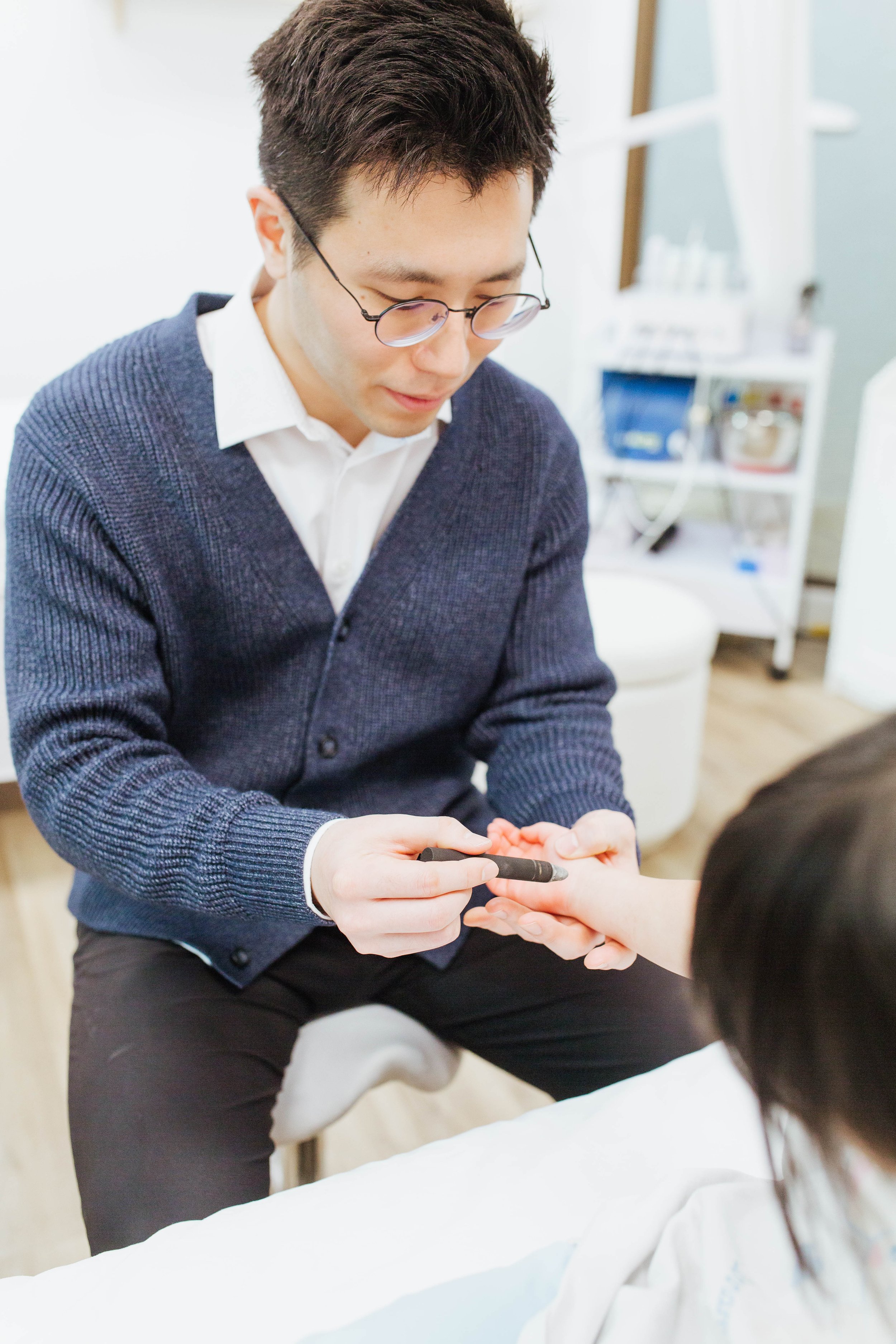
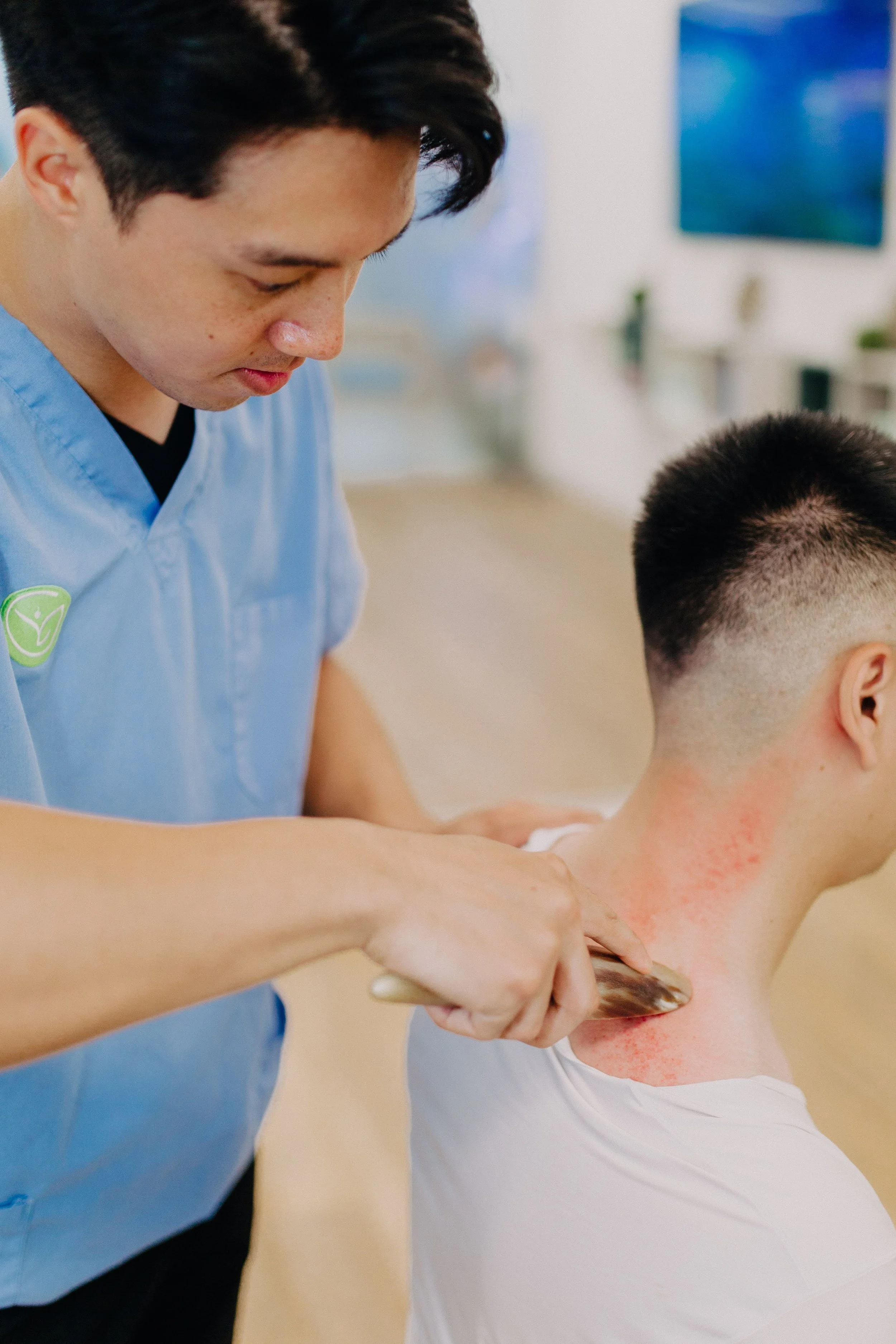
Gua Sha uses repetitive, directional friction to move Qi and Blood through superficial tissues. By intentionally creating ecchymosis through controlled capillary stimulation, this classical technique activates circulation, supports immune response, and promotes tissue repair.
In traditional practice, Gua Sha is applied with precision to release muscular and fascial constraints without overtaxing the body’s energy, making it effective for pain relief, detoxification, and overall wellness.
Cupping Therapy
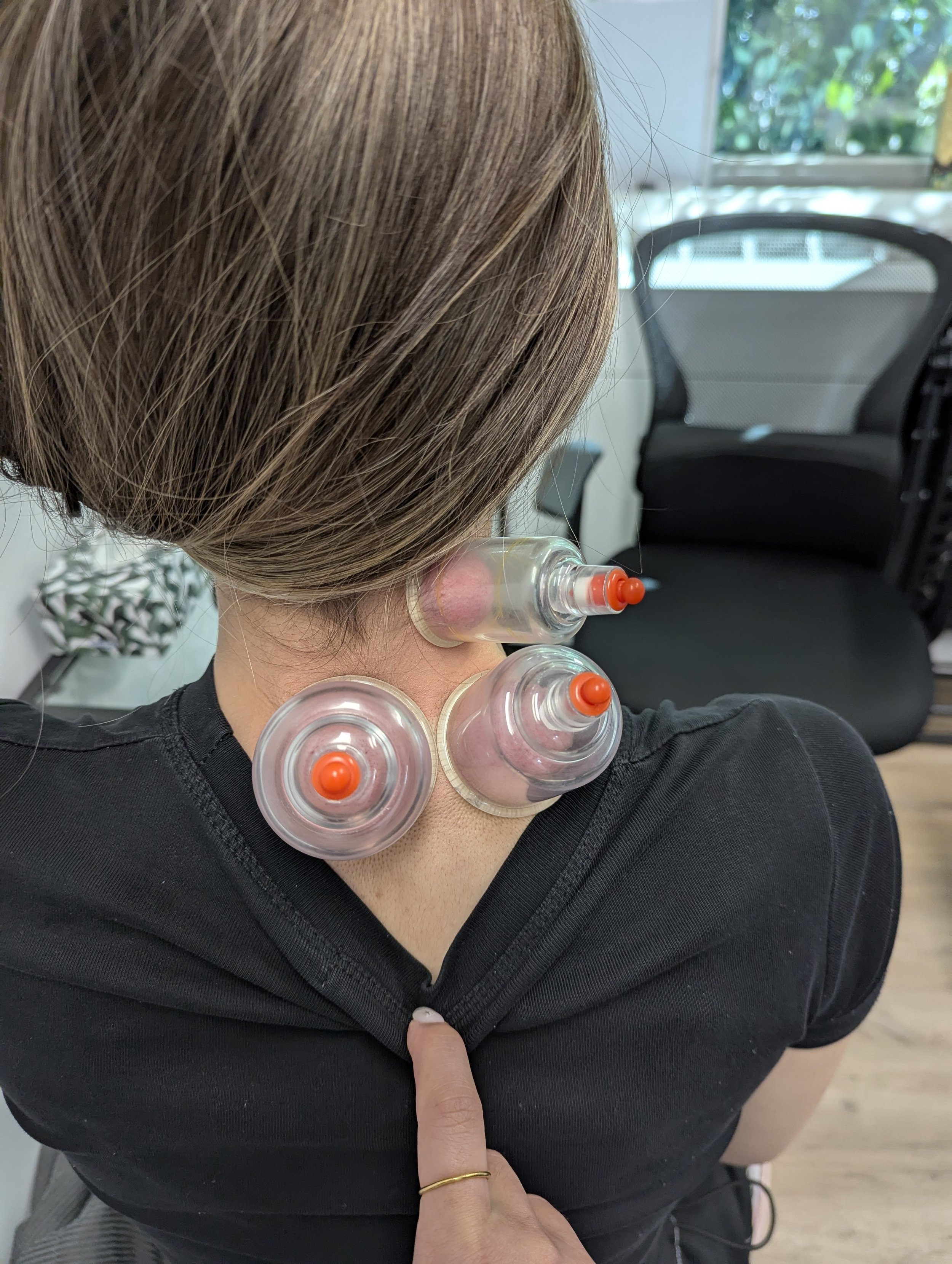
Cupping therapy uses controlled negative pressure to lift the skin and fascia. This suction:
Creates space for blood vessels and nerves
Causes controlled micro-rupturing of capillaries (ecchymosis)
Stimulates localized immune and healing responses
In Classical Chinese Medicine, cupping is used to release deep stagnation, improve circulation, and support detoxification in chronically congested tissue. The resulting marks are both therapeutic and diagnostic, reflecting the quality and depth of stagnation rather than tissue injury.
Bone Setting & Tui Na
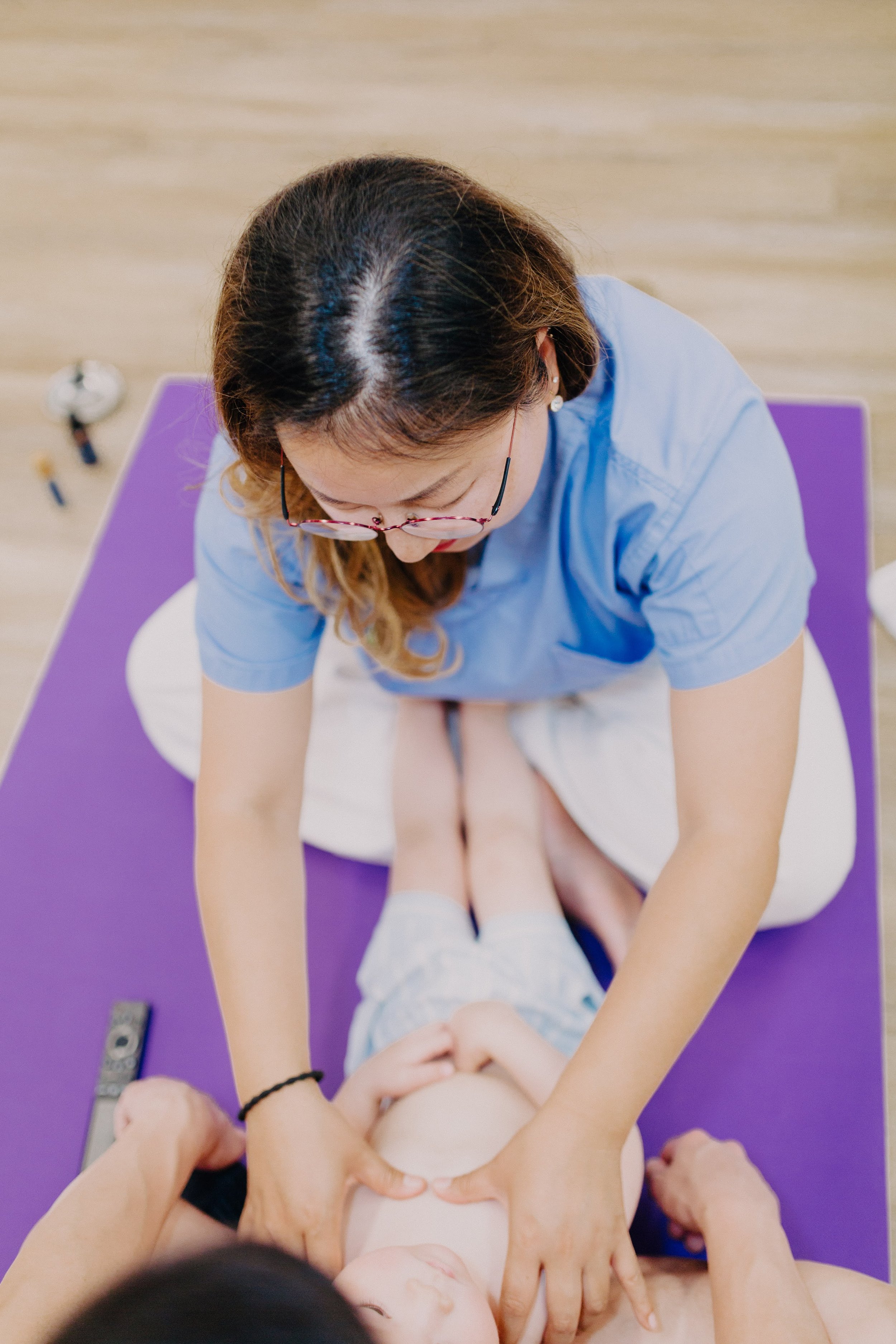
Bone setting and Tui Na are classical Chinese manual therapies used to restore structural alignment, improve joint mechanics, and promote the free flow of Qi and Blood. Unlike modern massage, these hands-on techniques:
Correct joint displacement, tissue adhesions, and fascial restrictions
Support nervous system signalling and organ function
Are guided by classical diagnosis rather than symptom location
Bone setting and Tui Na are particularly effective for post-injury rehabilitation, chronic pain management, and neurological conditions where structural restriction interferes with recovery. By addressing both musculoskeletal alignment and internal energy flow, these therapies combine structural correction with holistic health benefits.
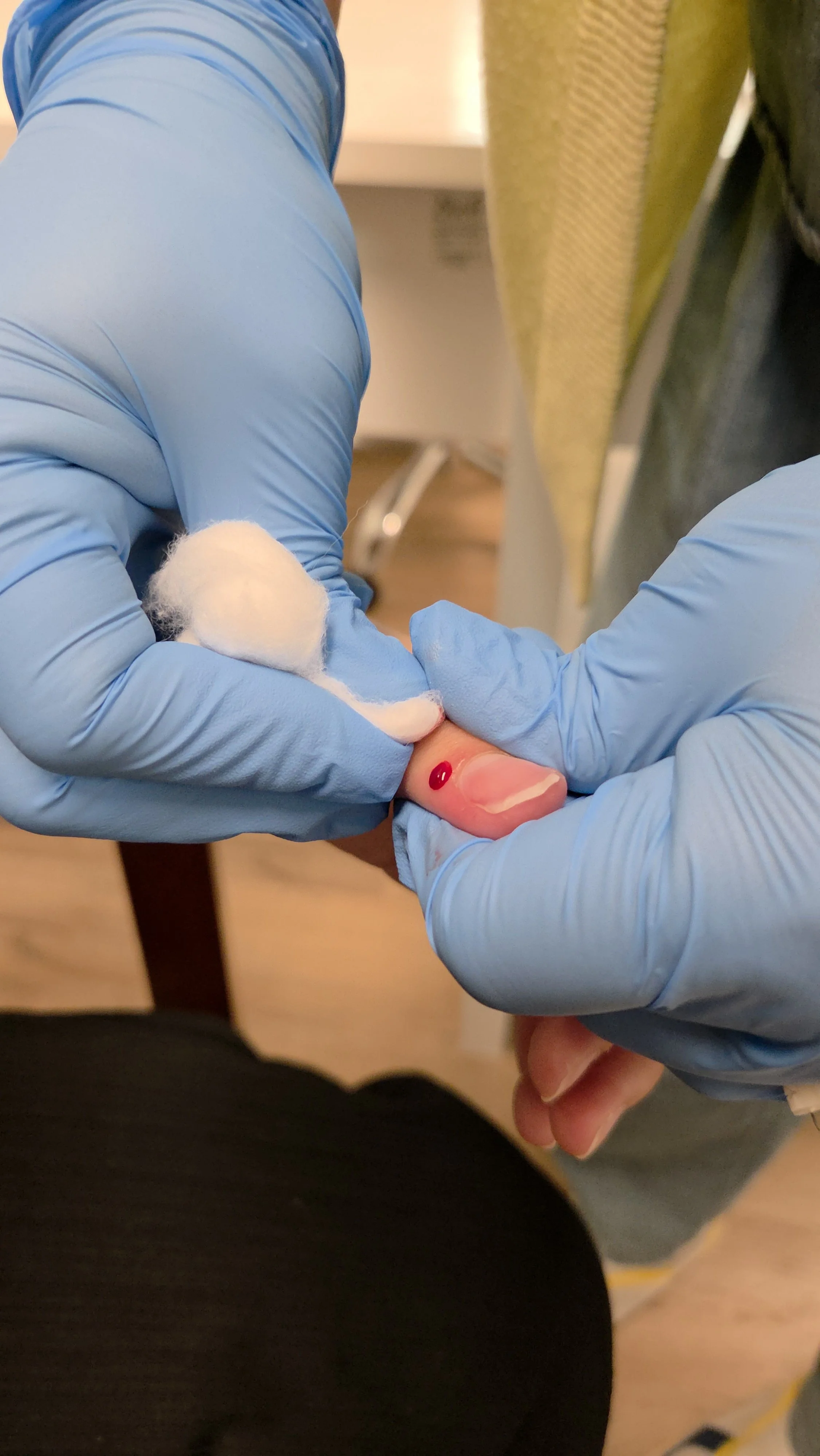
Bleeding Therapy
Bleeding therapy is a highly specialized classical Chinese technique that involves a small, controlled release of blood from specific acupuncture points. This precise method is used to support rapid healing in urgent and acute conditions.
It is commonly applied to:
Stop active bleeding and reduce swelling
Relieve pressure and inflammation
Clear Heat and disperse blood stasis
Promote circulation and tissue repair
When performed correctly, bleeding therapy can produce fast, targeted results, helping to prevent further tissue damage and restore proper blood flow. Because it requires advanced training and precise clinical judgment, this technique is used selectively by experienced practitioners in clinical or emergency settings.
Auricular Acupuncture & Ear Seed Therapy
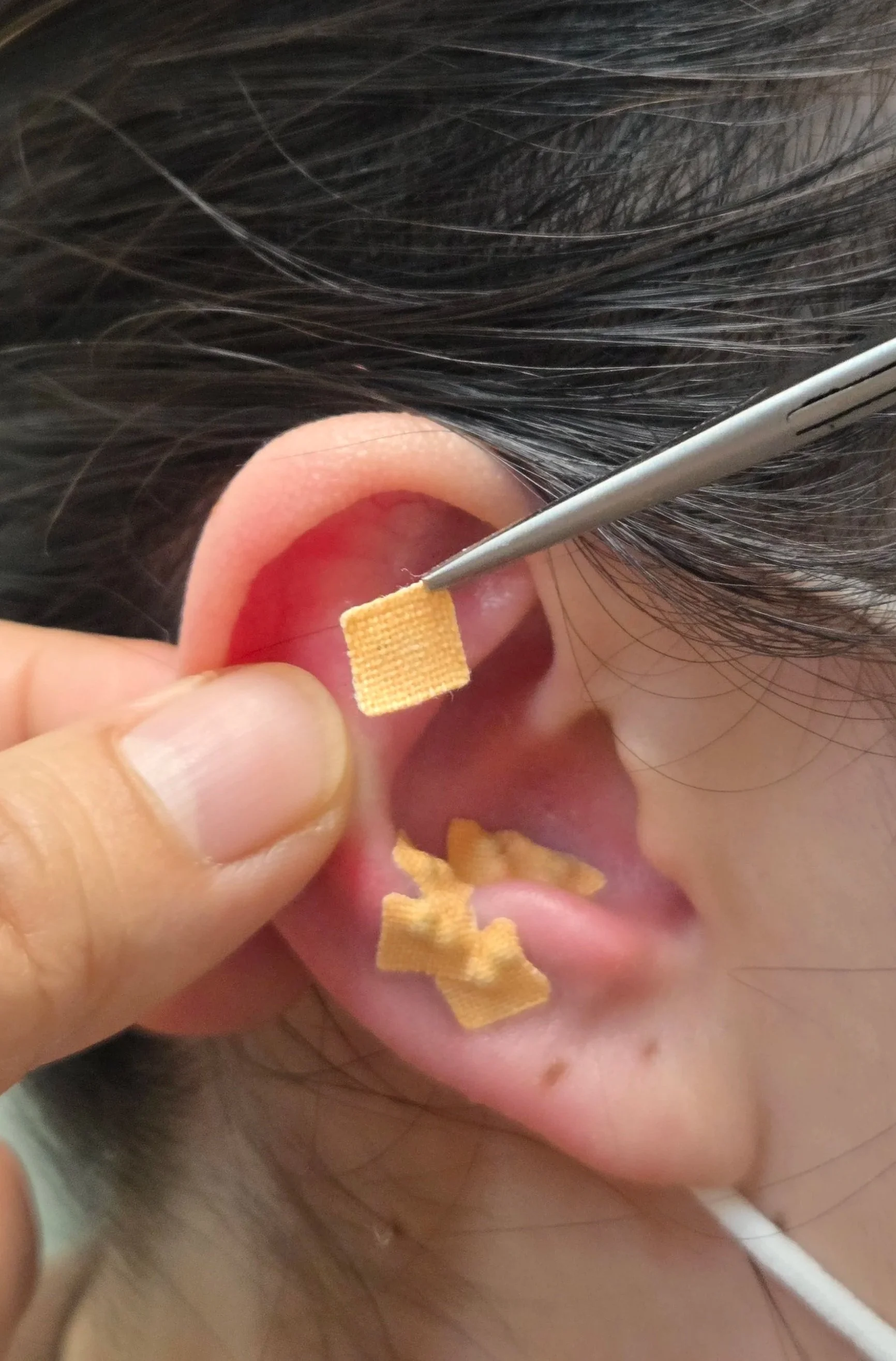
Auricular acupuncture and ear seed therapy stimulate specific points on the ear to support emotional, psychological, and neurological health. Through the ear’s direct connection to the nervous system, this approach helps regulate stress, reduce anxiety, relieve pain, and support internal organ function.
The NADA Protocol is a five-point auricular acupuncture system commonly used to reduce stress, ease withdrawal symptoms, and support emotional regulation.
Ear seeds provide continuous, non-invasive stimulation between treatments, helping to prolong results. They have also gained attention for supporting lymphatic drainage and subtle jawline definition through targeted point activation.
Laser Acupuncture
Laser acupuncture uses low-level “cold” laser therapy to stimulate acupuncture points without needles. This non-invasive technique delivers targeted light energy to activate acupuncture pathways, supporting pain relief, tissue repair, and nervous system regulation.
Often used for needle-sensitive patients, pediatric care, and specialized clinical applications, laser acupuncture offers a precise and gentle alternative while maintaining the therapeutic effects of traditional acupuncture.
Conditions We Treat
Our integrative medicine therapies support a wide range of neurological, musculoskeletal, digestive, and inflammatory conditions.
To explore how our treatments may help your specific condition, visit our Conditions We Treat page.