
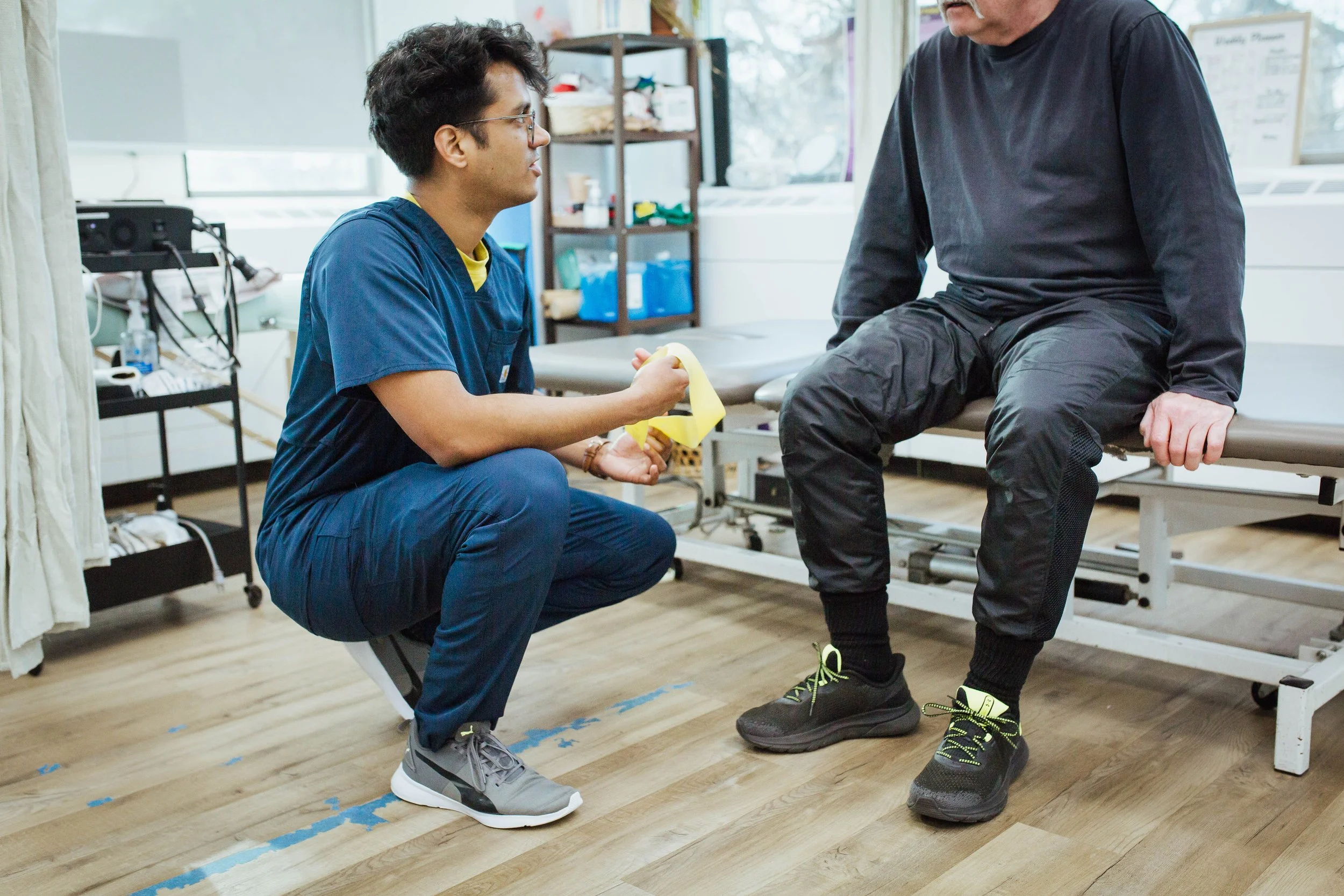
Physical
Rehabilitation
Physiotherapy & Neuro, Chiropractic Care, Registered Massage Therapy, Goodball Therapy & Clinical Pilates
At Complete Balance, our Physical Rehabilitation team in North York / Stouffville / Toronto provides evidence-informed therapies designed to restore movement, reduce pain, and improve functional independence.
Our physiotherapists, chiropractors, and registered massage therapists work collaboratively to support recovery from neurological conditions, musculoskeletal injuries, chronic pain, post-surgical recovery, and mobility limitations.
These therapies are often integrated with acupuncture and other integrative medicine treatments, which can help regulate the nervous system, improve circulation, and support neurological recovery while reinforcing movement rehabilitation.
A Collaborative Rehabilitation Approach
Recovery from injury or neurological conditions often requires more than a single therapy. At Complete Balance, physiotherapists, chiropractors, and massage therapists work together as part of an integrated rehabilitation team.
By combining manual therapy, therapeutic exercise, fascial release, and spinal care, treatment can address multiple aspects of recovery simultaneously — including mobility, strength, nervous system regulation, and postural alignment.
This collaborative approach allows therapies to complement one another, helping patients recover more efficiently while improving long-term movement and functional independence.
Treatment plans are personalized and may combine therapies across our Integrative Medicine and Physical Rehabilitation teams, depending on each patient’s condition and goals.
Neuro-Rehabilitation & Therapeutic Exercise
Movement plays a critical role in neurological recovery.
Following neurological injury or dysfunction, the brain must retrain damaged pathways to restore movement, balance, and coordination. Therapeutic exercise and neuro-rehabilitation are designed to stimulate these pathways and reinforce neurological recovery.
Personalized rehabilitation programs are used to:
• retrain motor and sensory pathways
• improve balance, coordination, and strength
• restore functional movement and independence
• reduce fall risk and mobility limitations
Exercises are carefully selected and progressed to stimulate recovery while avoiding excessive fatigue to the nervous system.
Physiotherapy & Neuro-Physiotherapy
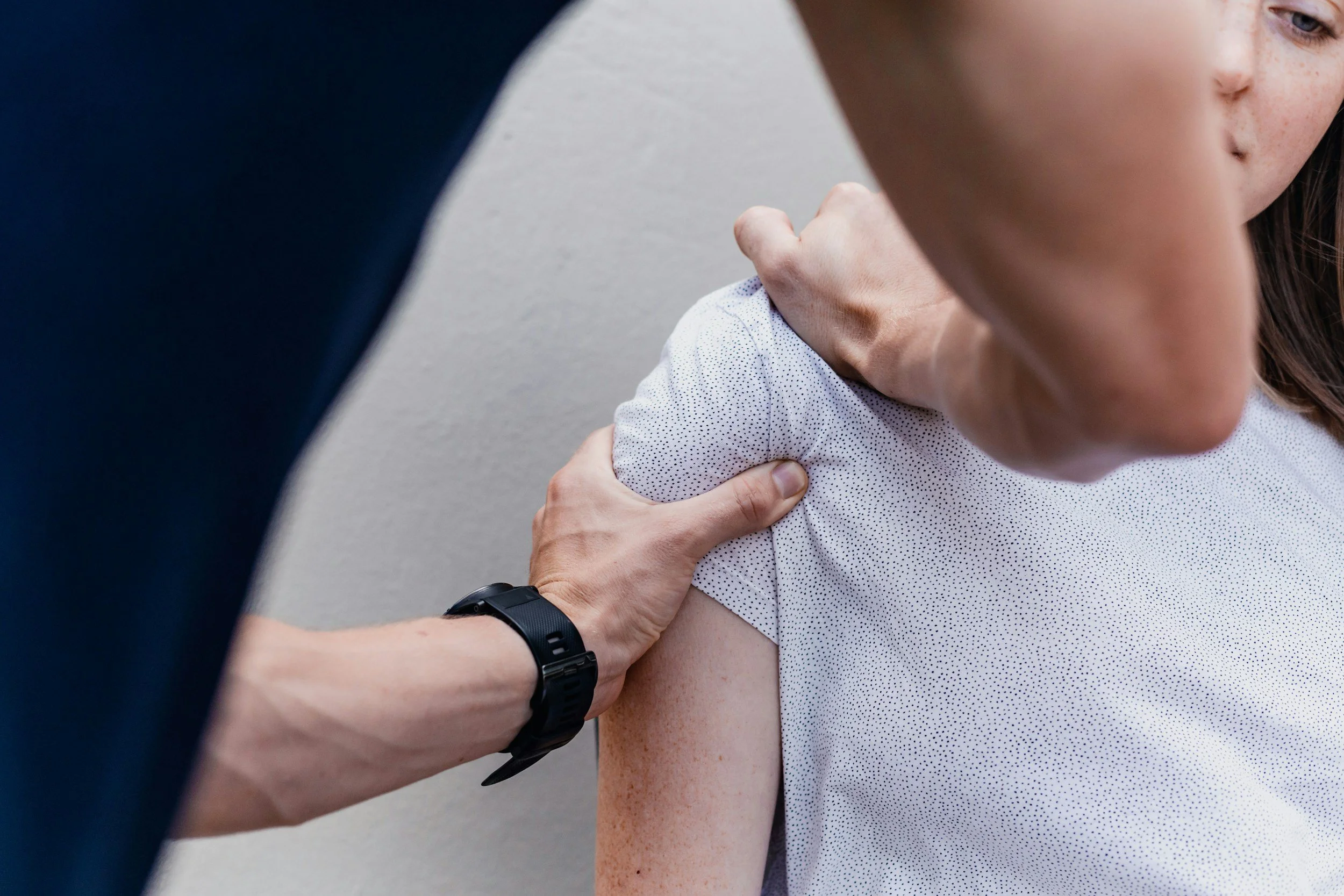
Neuro-Physiotherapy: Specialized Care for Neurological Conditions
At Complete Balance, we are one of the few clinics in Canada offering specialized neuro-physiotherapy offered in combination with Neuro Acupuncture. A branch of physiotherapy focused on patients with neurological conditions affecting the brain, spinal cord, or peripheral nerves. These conditions can result in movement impairments, balance problems, weakness, or sensory dysfunction.
Techniques Used in Neuro-Physiotherapy:
Motor Learning: Exercises that help the brain relearn movements lost due to stroke, brain injury, or other neurological conditions.
Strengthening Exercises: Targeted to rebuild muscle strength and coordination.
Balance & Coordination Training: Designed to improve stability, prevent falls, and enhance mobility.
Functional Training: Focused on daily activities such as walking, sitting, standing, dressing, or self-care.
Gait Training: Improves walking patterns and mobility, sometimes with assistive devices like walkers or braces.
Manual Therapy: Includes joint mobilizations and soft tissue techniques to relieve pain, release tension, and restore movement.
At Complete Balance, physiotherapy programs are tailored to each patient’s condition, goals, and stage of recovery. Treatment may include manual therapy, therapeutic exercise, mobility training, and functional rehabilitation to restore strength, flexibility, and movement patterns.
Physiotherapy can help support conditions such as:
• musculoskeletal injuries and sprains
• back and neck pain
• post-surgical rehabilitation
• joint replacements
• stroke rehabilitation
• Parkinson’s disease
• chronic pain conditions
• balance and fall prevention
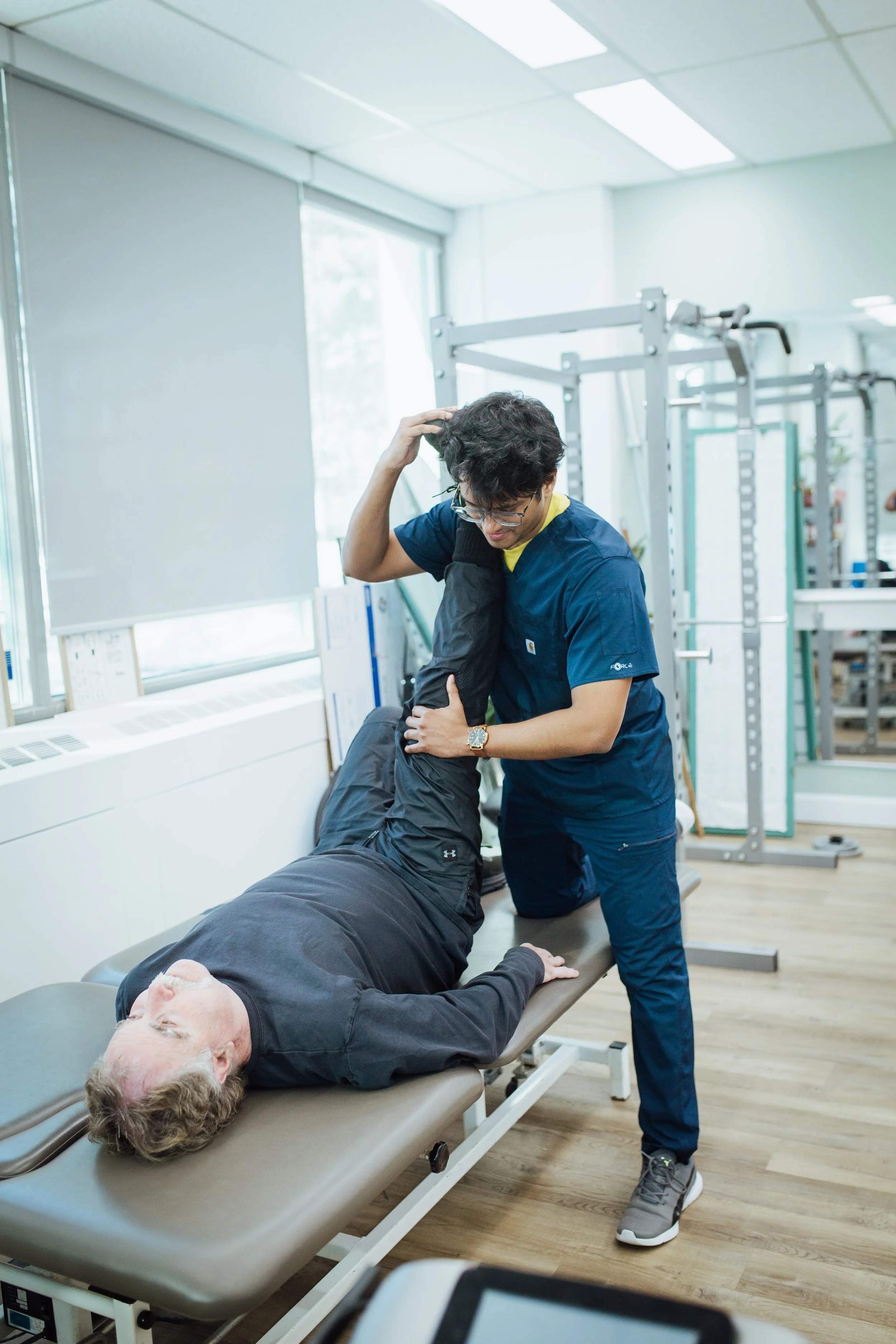
Evidence-Based Rehabilitation for Injury Recovery and Functional Movement
What is Physiotherapy?
Physiotherapy is a healthcare profession focused on diagnosing, treating, and preventing physical impairments, movement limitations, or disabilities caused by injury, illness, or aging. Physiotherapists use evidence-based techniques, exercises, and modalities to improve mobility, strength, flexibility, and overall physical function.
The goal is to restore movement, relieve pain, prevent further injury, and improve quality of life. Physiotherapy is effective for a wide range of conditions, including musculoskeletal issues, chronic pain, post-surgical recovery, arthritis, and balance disorders.
Chiropractic & Spinal Care
Supporting Spinal Mobility and Whole-Body Function
Chiropractic care is a non-invasive, hands-on healthcare discipline that focuses on the relationship between the spine, musculoskeletal system, and nervous system.
At Complete Balance, chiropractic treatment supports spinal mobility, joint function, posture, and nervous system communication. Our chiropractor utilizes a classical chiropractic approach while taking a holistic view of the body’s structural relationships.
Rather than focusing only on isolated joints, treatment considers the body as an interconnected system. Adjustments are guided by an understanding of myofascial connections and anatomical movement chains, helping ensure that spinal and joint corrections support balanced movement throughout the body.
Chiropractic visits may include:
• chiropractic adjustments • joint mobilization techniques • soft tissue therapy • posture and movement assessment
By addressing structural restrictions along these movement chains, chiropractic care can help restore joint mobility, improve alignment, and support more efficient communication between the brain and body.
When appropriate, chiropractic care may be combined with acupuncture and rehabilitation therapies to reinforce neurological signaling, improve circulation, and support more coordinated movement patterns.
Chiropractic care may help support conditions such as:
• back and neck pain • headaches and migraines • TMJ dysfunction • scoliosis and postural imbalances • sports injuries • joint mobility limitations • concussion and neurological symptoms
Preventative chiropractic care can also help improve mobility, posture, and resilience against injury.
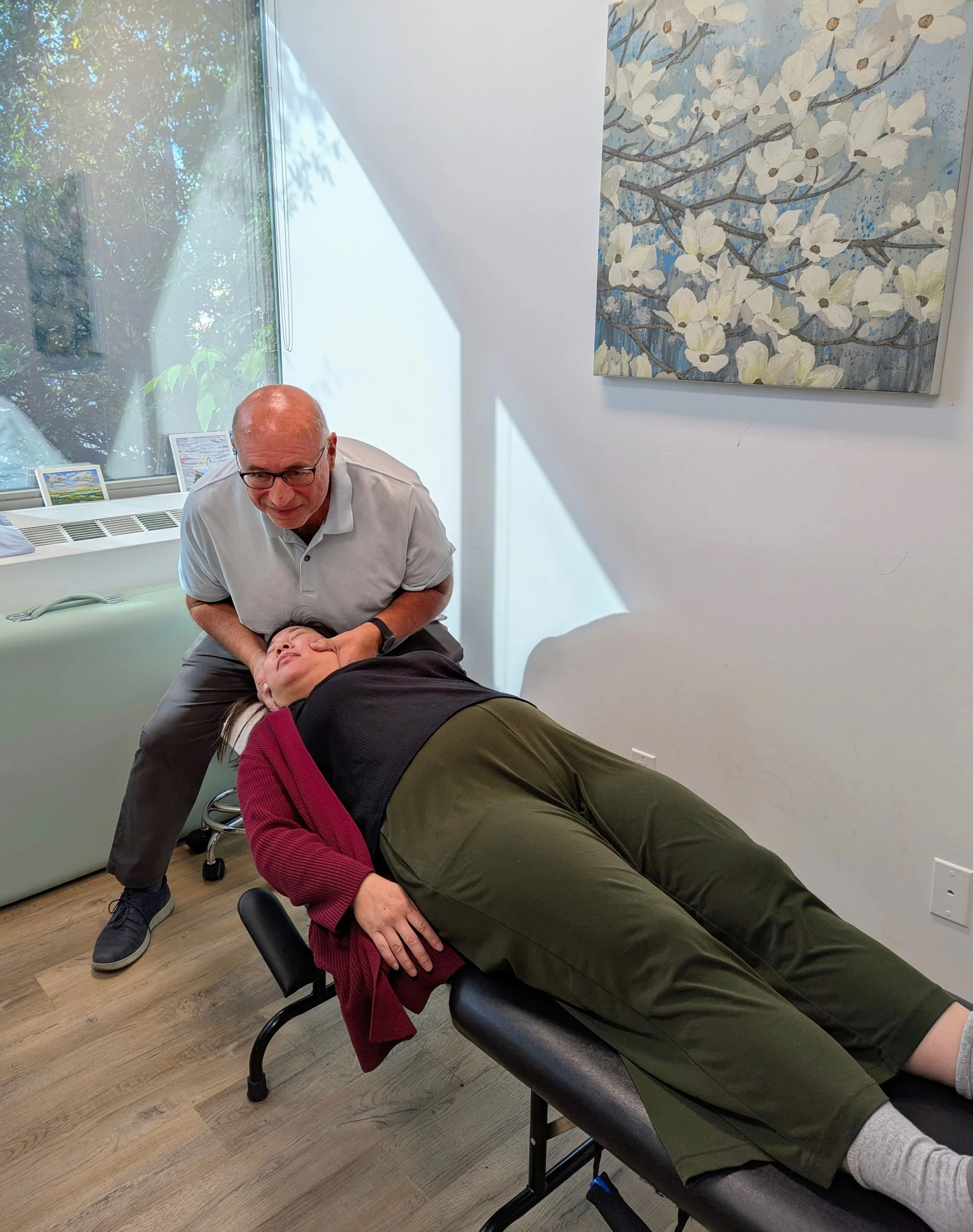
Registered Massage Therapy
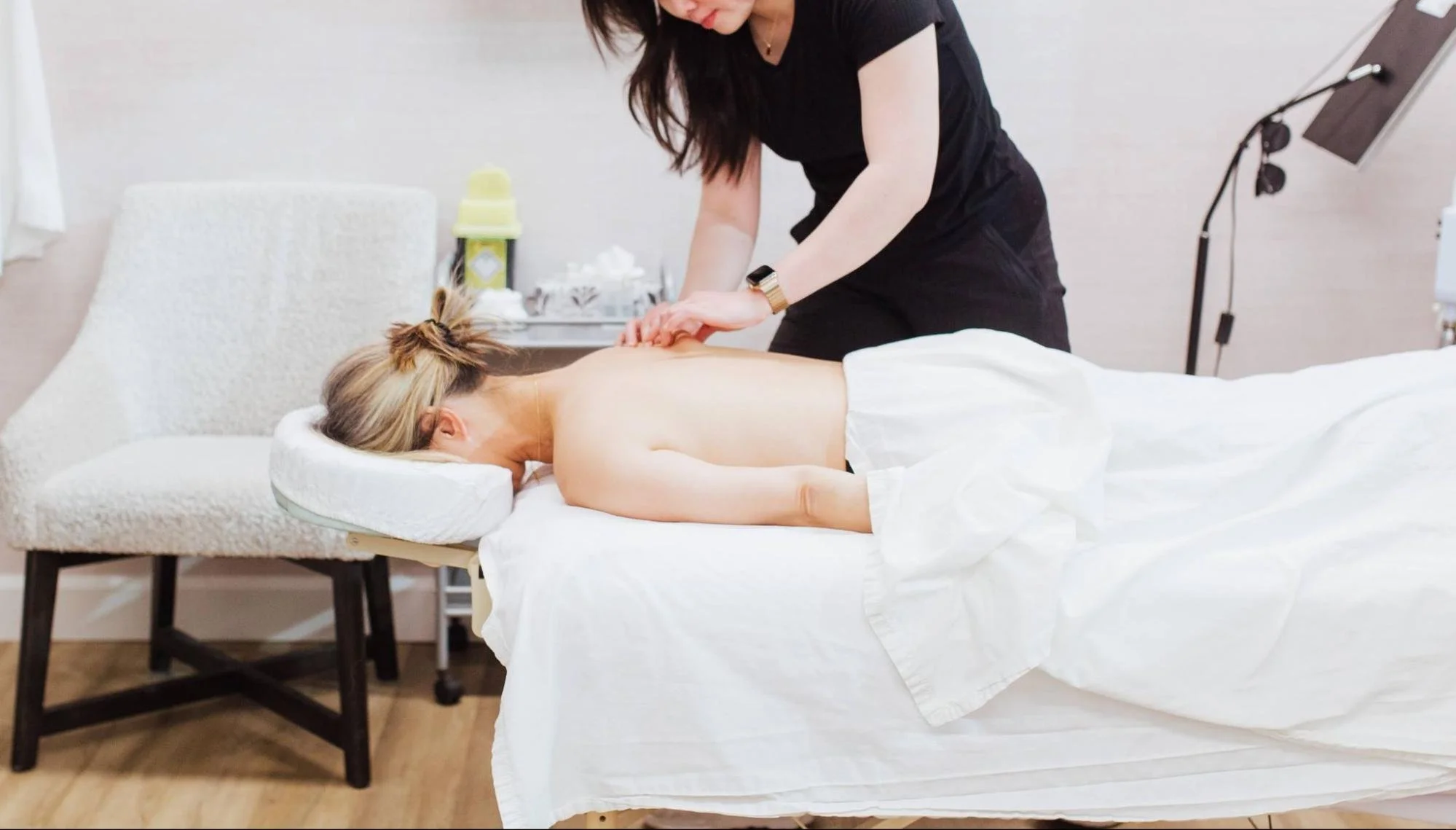
Clinical, Integrative Massage for Recovery, Neurological Support, and Systemic Health
At Complete Balance, our Registered Massage Therapy (RMT) team delivers therapeutic, results-driven treatments that go far beyond relaxation. Combining advanced skills in myofascial release, trigger point therapy, Tui Na, and movement science with a deep understanding of anatomy, physiology, and biomechanics, our RMTs develop personalized plans tailored to each patient’s needs.
Our approach addresses not only muscular tension and injury recovery but also neurological rehabilitation, internal organ function, lymphatic flow, and sensory/ENT health—making massage an integral part of holistic care.
How RMT Can Help:
Pain Relief & Musculoskeletal Recovery: Reduce muscular tension, address trigger points, improve joint mobility, and restore tissue flexibility.
Neurological Support: Enhance nervous system balance, optimize neuromuscular function, and support rehabilitation from neurological conditions.
Internal Health & Organ Support: Promote lymphatic flow, abdominal health, and liver function through targeted massage techniques.
Sensory & ENT Benefits: When combined with acupuncture, RMT can improve function and comfort in sensory organs, supporting ENT conditions.
Circulation & Recovery: Increase blood and lymphatic flow, support tissue repair, and promote overall wellness.
Treatment Approaches:
Myofascial release and deep tissue therapy
Trigger point and neuromuscular techniques
Tui Na therapeutic massage
Abdominal massage and liver release
Manual lymphatic drainage
Swedish massage for circulation and relaxation
Hot stone therapy and other supportive modalities
Integrative & Results-Focused Care
RMT therapies at Complete Balance are often combined with acupuncture, rehabilitation exercises, naturopathic care, and other integrative therapies to maximize recovery, improve internal and neurological function, enhance ENT outcomes, and optimize long-term health.
Why Choose Our RMT Team:
Highly Skilled Clinicians: Advanced training in myofascial release, Tui Na, trigger point therapy, and movement science.
Clinical, Not Just Relaxation: Treatments are results-driven, focusing on recovery, rehabilitation, and systemic health.
Personalized Approach: Each session is tailored to your specific needs and health goals.
Integrated Care: Therapies complement acupuncture, naturopathic medicine, and rehabilitation programs for holistic results.
Evidence-Informed: Treatments are grounded in clinical knowledge of anatomy, physiology, and biomechanics.
With Complete Balance’s RMT program, you’re receiving more than a massage—you’re receiving targeted, clinical care designed to restore function, support internal systems, enhance neurological outcomes, and promote overall wellness.
Fascia Release & Goodball Therapy
Restoring Connective Tissue Elasticity and Whole-Body Movement
Healthy movement depends not only on muscles and joints, but also on the connective tissue (fascia) that links the entire body together. When fascia becomes restricted due to injury, overuse, or prolonged postural stress, it can contribute to stiffness, pain, and altered movement patterns.
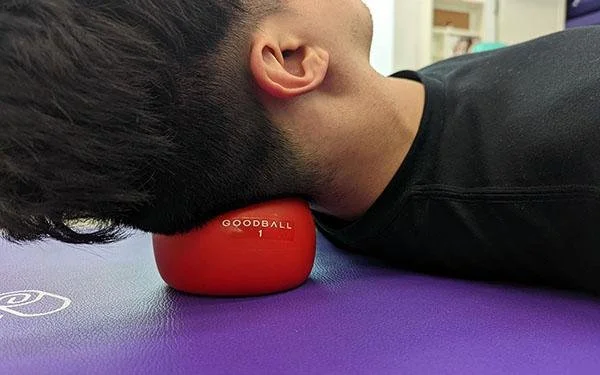
Goodball Therapy is a specialized fascia-focused method designed to restore elasticity within the body’s connective tissue system.
The Goodball Method uses soft, spring-based balls engineered to match the density of soft tissue, allowing deeper fascial release without excessive pressure. This approach helps decompress restricted areas of the body and restore more natural tissue mobility.
Goodball therapy can help:
• improve connective tissue elasticity
• reduce stiffness and chronic tension
• restore postural balance and alignment
• improve circulation and tissue mobility
• enhance body awareness and movement coordination
Originally developed in South Korea by physiotherapist Dr. Dong-Shin Lee, the Goodball Method integrates principles of rehabilitation science, fascia research, and therapeutic movement.
At Complete Balance, Goodball therapy may be incorporated into rehabilitation programs to support pain relief, mobility restoration, and long-term structural balance.
Clinical Pilates
Clinical Pilates: Individualized, Rehabilitation-Informed Movement
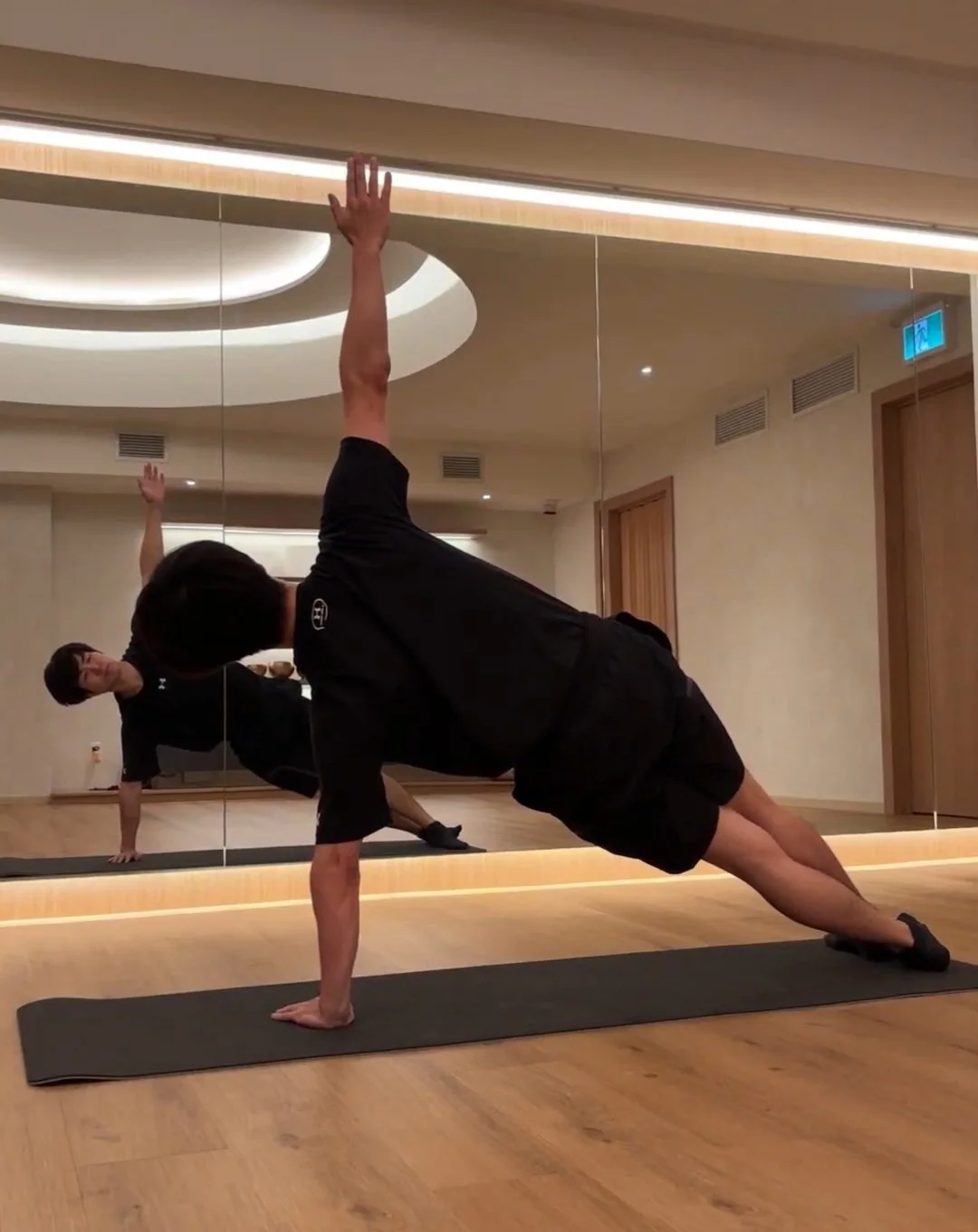
At Complete Balance, Clinical Pilates provides individualized movement and strength training informed by rehabilitation principles. Rather than following a general Pilates routine, exercises are selected and progressed according to each person's movement patterns, abilities, limitations, and goals.
Sessions are led by Hiroto Baba, BASI Certified Pilates Instructor and former physiotherapist in Japan, with 6 years of clinical experience in Japanese hospitals and orthopedic clinics. His background includes working with neurological and orthopedic conditions, post-operative rehabilitation, sports injuries, and chronic pain.
This combination of Pilates training and previous clinical rehabilitation experience allows for a more thoughtful approach to movement — particularly for individuals who want additional guidance when rebuilding strength, returning to activity, or progressing beyond rehabilitation.
A Rehabilitation-Informed Approach to Pilates
Clinical Pilates focuses not only on building strength, but also on how the body moves.
Movement patterns, alignment, stability, mobility, coordination, and areas of weakness or compensation are considered when selecting exercises.
Programs may focus on:
Core & Functional Strength: Building strength that supports everyday movement and physical activity.
Balance & Stability Training: Improving control and confidence during standing, walking, and movement.
Mobility & Flexibility: Supporting comfortable movement through appropriate ranges of motion.
Posture & Alignment: Developing greater awareness and control of body positioning.
Coordination & Movement Control: Improving the quality and efficiency of movement.
Progressive Strength Training: Gradually increasing exercise challenge as strength and confidence develop.
Return-to-Activity Training: Helping individuals transition from rehabilitation or inactivity toward more independent exercise.
Exercises are adapted to the individual and can be modified or progressed according to how the body responds.
Bridging Rehabilitation & Strength Training
Finishing rehabilitation does not always mean someone feels ready to return to regular exercise.
There can be a gap between recovering from an injury or condition and feeling strong and confident enough to exercise independently.
Clinical Pilates can help bridge this transition by providing structured, individualized movement with a focus on gradually developing strength, stability, mobility, coordination, and body awareness.
It can also complement other rehabilitation services at Complete Balance as part of a broader approach to improving movement and function.
Who Can Benefit from Clinical Pilates?
Clinical Pilates may support individuals looking to:
• rebuild strength following injury or rehabilitation
• return to movement after a period of inactivity
• improve core strength and stability
• improve balance and coordination
• improve posture and body awareness
• increase mobility and flexibility
• address general weakness or movement limitations
• build strength with a lower-impact form of exercise
• transition from rehabilitation into ongoing exercise
• improve overall movement quality and confidence
No previous Pilates experience is required.
At Complete Balance, Clinical Pilates programs are tailored to each individual's current abilities, movement goals, and progress, creating a supportive pathway from rehabilitation to stronger, more confident movement.
Conditions We Treat
Our integrative medicine therapies support a wide range of neurological, musculoskeletal, digestive, and inflammatory conditions.
To explore how our treatments may help your specific condition, visit our Conditions We Treat page.