
Neurological & Complex Conditions
Integrative Neurological Care in North York / Stouffville / Toronto
At Complete Balance, we specialize in supporting individuals living with complex neurological conditions and neurological recovery through an integrated rehabilitation approach.
Neurological disorders affect the brain, spinal cord, and peripheral nerves, often impacting movement, sensation, coordination, cognition, speech, and overall quality of life. While conventional medical care plays an important role in diagnosis and stabilization, many individuals continue to experience lingering neurological symptoms that require targeted rehabilitation.
Our clinic integrates neuro-acupuncture, neurological physiotherapy, manual therapy, chiropractic care, herbal medicine, and nutritional guidance to help restore communication between the brain and body.
By addressing both neurological signaling and whole-body health, treatment aims to promote neuroplasticity, retrain movement patterns, reduce inflammation, and improve long-term neurological function.
Quick Navigation
Jump directly to the condition you’re looking for:
Autism Spectrum Support • Bell’s Palsy & Facial Paralysis • Celebral Palsy • Chronic Migraines & Neurological Headaches • Complex Regional Pain Syndrome (CRPS)• Concussion & Post-Concussion Syndrome • Eye Disorders • Multiple Sclerosis (MS) • Neuropathy • Parkinson’s Disease Support • Spinal Cord Injury • Stroke Recovery • Trigeminal Neuralgia • Vertigo & Vestibular Disorders
Why Neurological Rehabilitation Matters
Damage to the brain or nervous system does not always mean lost function is permanent. The brain has the remarkable ability to adapt and reorganize itself through neuroplasticity, forming new neural pathways that compensate for damaged ones.However, this process rarely occurs automatically. Targeted therapies that stimulate the brain, retrain movement patterns, and improve communication between the brain and body are often necessary to support meaningful recovery.At Complete Balance, neurological rehabilitation combines neuro-acupuncture, rehabilitation therapy, manual therapy, and internal health support to stimulate neuroplasticity and help the brain rebuild functional connections.
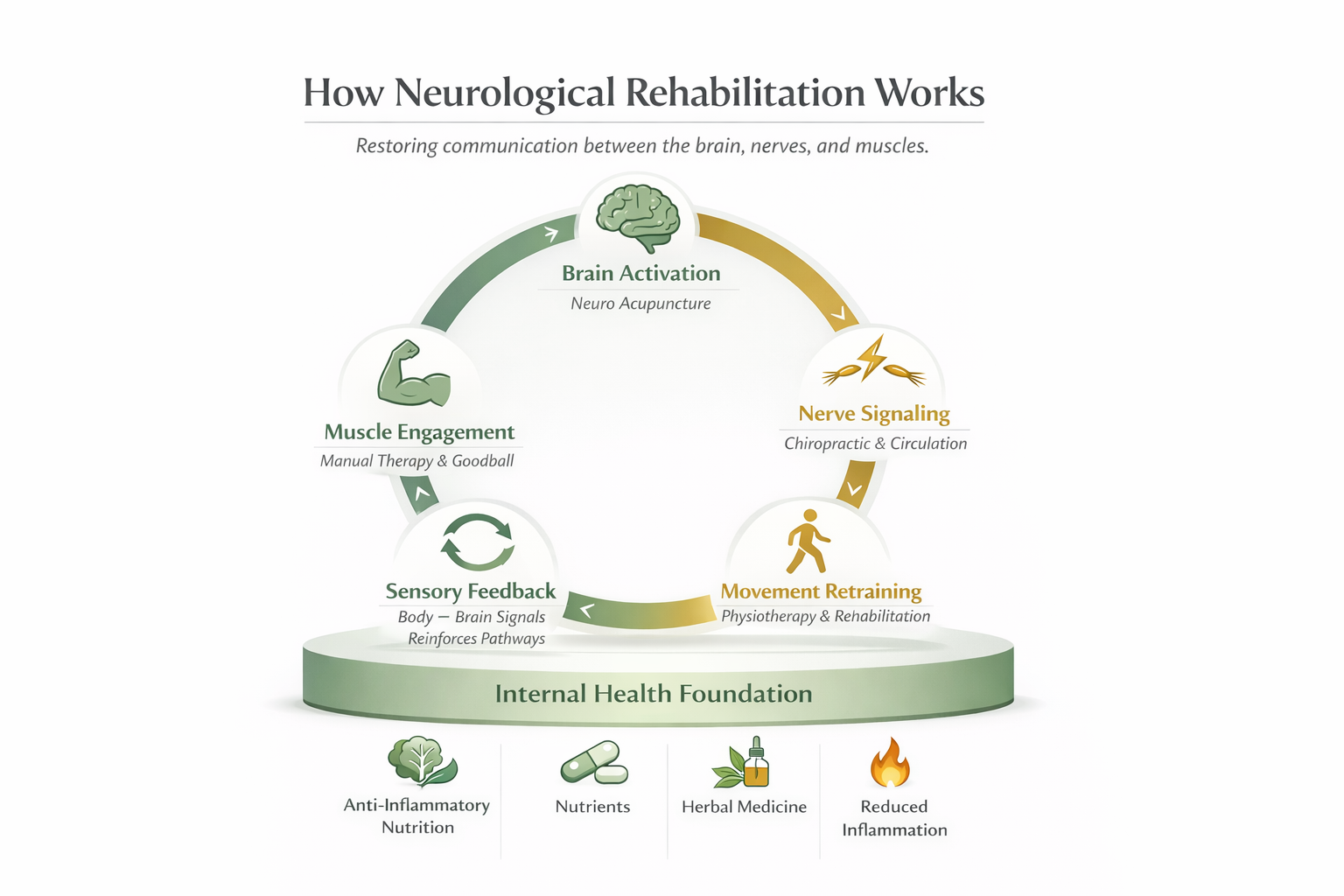
How Neurological Rehabilitation Works
Neurological recovery depends on restoring communication between the brain, nerves, and muscles.Recovery occurs through continuous feedback between the brain and body. Our therapies stimulate neural pathways, retrain movement, and support internal health to promote neurological repair.
Autism Spectrum Support
Autism spectrum conditions involve neurological differences that affect communication, sensory processing, and behavioural regulation.
While autism itself cannot be cured, supportive therapies may help reduce the severity of certain symptoms and improve daily functioning.
Care may focus on:
• calming the nervous system
• reducing sensory sensitivities
• improving emotional and behavioural regulation
Treatment approaches are personalized according to each individual’s needs.
Bell’s Palsy & Facial Paralysis
Bell’s Palsy is an acute, ipsilateral (one sided) facial paralysis that results from an inflammation of the 7th cranial nerve.
It is the most common form of acute facial paralysis with the clinical features of acute onset, weakness of facial nerve, auricular pain, and headaches, reaching its peak within 48th hours. Recovery times will vary according to the degree of nerve damage and the overall health condition of the patient.
How we treat Bell’s Palsy at Complete Balance
Classically trained acupuncturist have humorously coined the phase “bombing the face”, as a description of the techniques often used in Traditional or Medical acupuncture treatments that involve needling every acupoint on the face. This technique is neither effective nor pleasant. At Complete Balance, we believe less is more and it is important to discard points that are useless.
In combination with Zhu’s Scalp acupuncture, few distal Tung’s acupoints and Daoyin, we have helped numerous patients recover fully and quickly. Early intervention is essential. If a patient starts their treatment within 1 or 2 days of onset, complete recovery is often seen with daily treatments for 1.5 to 2 weeks. This is faster than any medicine or other modalities.
Even if your condition is in chronic stage, our treatment protocol is still effective but it will take more time.
-
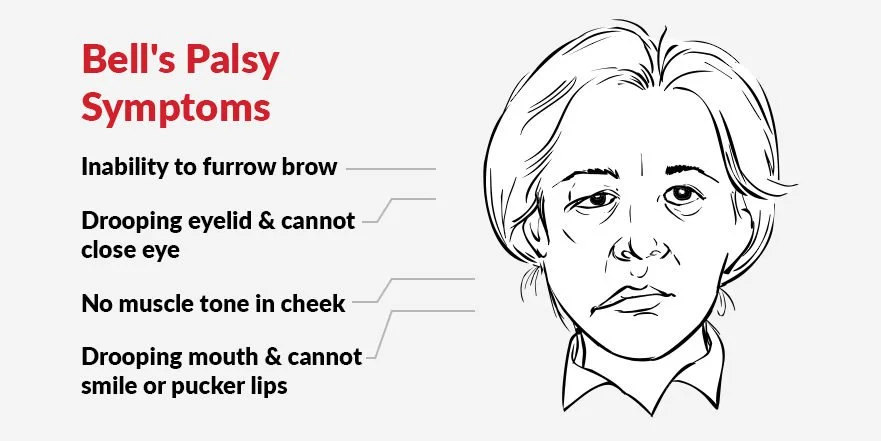
The 7th cranial nerve controls a wide range of functions and the symptoms that occur as a result of damage to this nerve could vary in severity. The loss in functions include inability to blink, close the eyes, raise the eyebrows, smile and frown. Furthermore, the facial nerve carries nerve impulses to the different glands in the face and different areas of the face may be affected as a result: damages to lacrimal glands can prevent the ability to lubricate and moisten the eyes, damages to saliva glands could cause irregular secretion of saliva and loss in the sense of taste as a result of nerve damage connecting to the taste sensory. In Bell’s palsy, patients cannot move the upper and lower part of their face on one side; in contrast, central facial nerve lesions as a result of stroke affect primarily the lower face.
Most patients demonstrate partial recovery within 2-3 weeks. In some cases, it may take 6 months or more, and is sometimes incomplete, leaving some with permanent disfigured facial paralysis.
-
The cause of Bell’s Palsy is often attributed to viral or bacterial infection damaging the 7th cranial nerve and although this may be the cause for some cases, many of the occurrences of Bell’s Palsy is seen in individuals as a response to extreme stress, exposure to cold temperature, lack of sleep or viral infection. In Oriental Medicine, one of the main implication that lead to Bell’s Palsy is weakness is a person’s inherent energy. This is why Bell’s Palsy can result in individuals who are exposed to harsh environment that further weaken their constitution and immunity. Bell’s palsy can also be the result of a compression from brain tumor, skull fracture, nerve damage from surgical procedures, diabetes, chronic otitis media or hypertension.
-
Prednisone, a synthetic corticosteroid drug, is frequently prescribed to reduce the swelling and inflammation of the 7th nerve. In the case of bacterial or viral infection, antibiotics or anti-viral medications are recommended. If the eyes are unable to close and normal blinking is not possible, eye drops and eye shades are recommended to protect the eye from corneal damage. Unfortunately these medical interventions only aim to minimize the risk of complications and long-term effect rather than treat the functions that have been lost. As optional treatments of Bell’s palsy, physical therapy or surgical operation are recommended but no particular benefits of have been reported.
Cerebral Palsy
Cerebral Palsy (CP) is a non-progressive neurological condition that affects body movement, muscle coordination, muscle control, muscle tone, reflex, posture, and balance.
As a result, individuals with CP could lose their fine motor skills, gross motor skills and oral motor function. Furthermore, CP could lead to additional medical issues such as impaired vision and hearing, intellectual disabilities, mental health conditions and seizures. Although there is currently no cure for CP, early treatment interventions help individuals to gain independence and full inclusion into society.
How do we treat Cerebral Palsy at Complete Balance?
Our brain has an unexpectedly plastic nature and if a neurological pathway is damaged leading to the loss in motor or sensory function, another can sometimes take over for it. Acupuncture treatments, specifically Zhu’s scalp acupuncture techniques, help to “unmask” these “secondary” neural pathways and with repetitive treatment in combination with Daoyin, the newly developed pathways strengthen. With each session, we are able to train the brain to develop and improve functions, which may not return on its own.
There are four major scalp acupuncture systems in the world but clinically, Zhu’s scalp acupuncture have demonstrated most remarkable effect in dealing with neurological conditions. Treatments using this system has been found to have astonishing results in developing functions in children with cerebral palsy including paralysis, ataxia, hypotonia or hypertonia, apraxia, dysarthria (trouble speaking), dysphasia, and mental retardation. The results are most remarkable in the infantile stage as earlier intervention reduces the number of deficits and complications as a result of muscle spasticity and seizures. Muscle spasticity can be reduced significantly after several sessions but for lost motor or sensory function, treatments have to be repeated frequently to reinforce the neurological pathway.
-
CP is the result of brain damage to the immature brain during the developing stage, more often before birth, but the damage could also occur during birth or immediately after birth. Defects could occur before birth as a result of genetic mutation leading to abnormal brain development of the fetus, maternal infection that affect the developing fetus or a fetal stroke that disrupt the blood supply to the developing brain. Although less common, complications due to difficult labour or delivery could lead to asphyxia (deprived oxygen to the brain). Before two years of age, traumatic head injuries or infant infections could cause inflammation in the brain leading to acquired cerebral palsy.
-
There is no cure for CP but early intervention methods consisting of training, therapy and adaptive equipments are recommended as the primary treatment protocol. A multidisciplinary team of medical specialists such as physical therapists, occupational therapists, recreational therapists, and speech therapists will work closely with the child’s paediatrician to accomplish care goals and enhance functional abilities of the person with CP.
Medications and orthopaedic surgeries may be recommended in order to help diminish spastic movements and complications related to spasticity. However, the results of drug treatments are often temporary and are accompanied by side effects and certain surgical procedures come with risk of permanent loss in motor function and numbness. For instance, Botulinum type A toxin, commonly known as Botox, is prescribed when spasticity is isolated to one muscle group. It is considered a potent poison, potentially lethal, and, therefore, individuals with swallowing or respiration problem need to take precaution in the dosage limit. As well, the effect of the medication wears off after 3 months and studies have shown for the effect to decline with repeated injections.
-
Every case of CP is unique to the individual, and the location of impairment, level and extent of severity and types of motor impairment varies significantly from person to person. Some may demonstrate spasticity(stiff muscles) while others flaccidity(floppy muscle). The loss in motor function could be limited to one limb or one side of the body or it could affect the whole body. Some individuals show normal intellectual capacity while others may have intellectual disabilities. Signs and symptoms become apparent during infancy or preschool years. Aside from seizures that could lead to further brain damage, already established symptoms do not progress with time. However, muscle rigidity and shortening may worsen if treatments are not introduced at early age.
Complex Regional Pain Syndrome (CRPS)
Complex Regional Pain Syndrome is a chronic pain condition that most commonly develops after trauma or injury to a limb.
Symptoms may include severe pain, hypersensitivity to touch, swelling, temperature changes, and reduced mobility.
Our treatment approach focuses on:
• improving circulation
• calming overactive pain pathways
• restoring movement and function
Treatment may include acupuncture, moxibustion, rehabilitation therapy, manual therapy, chiropractic care, and supportive lifestyle guidance.
Concussion & Post-Concussion Syndrome
A concussion is a mild traumatic brain injury (mTBI) that temporarily affects brain function. It’s most commonly caused by a blow to the head or body that leads to a rapid movement of the brain within the skull. While not every impact results in a concussion, it’s important to monitor symptoms closely after any head trauma.
Falls are the leading cause of concussions, followed by injuries from contact sports like football, hockey, and soccer. Although some concussions involve a brief loss of consciousness, many do not.
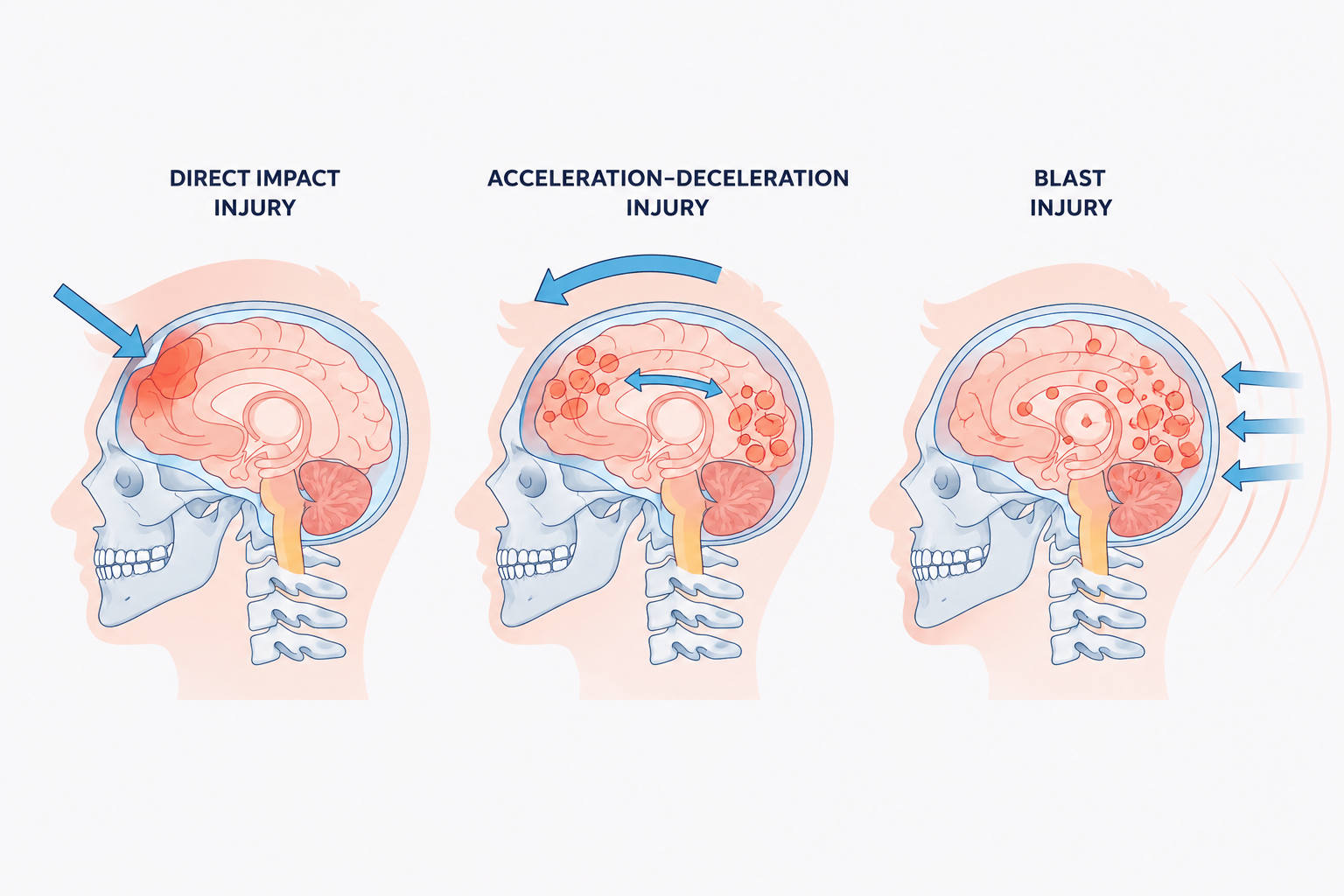
How Do We Treat Concussions at Complete Balance?
While some people recover from a concussion within a few weeks, others may experience lingering symptoms that can last months or even years—affecting focus, energy, mood, and overall quality of life. At Complete Balance, we take a unique, holistic, and interdisciplinary approach to concussion care, addressing both the neurological impact and the wide-reaching effects on the entire body.
Concussions can lead to autonomic nervous system (ANS) dysregulation, neuroinflammation, hormonal imbalances, gut dysbiosis, vestibular and visual dysfunction, cervical spine misalignment, and psychological challenges. Our team of integrated health professionals works collaboratively to support recovery on all levels.
Traditional Chinese Medicine (TCM) modalities—including scalp acupuncture and bleeding techniques—are used to reduce neuroinflammation and calm the nervous system. These approaches can alleviate symptoms like headaches, dizziness, fatigue, light/noise sensitivity, and sleep disturbances.
Our Naturopathic Doctor addresses concussion-related gut and hormonal imbalances through customized dietary strategies and targeted supplementation, supporting mood, digestion, and cognitive function.
Brain injuries often disrupt the gut-brain axis, leading to gut dysbiosis and increased inflammation. We help restore gut health to reduce systemic stress and promote neurological recovery.
Vestibular rehabilitation therapy, provided by our Physiotherapist and Chiropractor, uses targeted exercises to improve balance, coordination, and spatial awareness—often affected after a concussion.
Our Chiropractor also addresses cervical spine misalignments and tension caused by the impact, while prescribing exercises to strengthen neck muscles and stabilize the spine.
-
Headache
Dizziness or “seeing stars”
Nausea or vomiting
Fatigue or drowsiness
Confusion or memory loss surrounding the event
Blurry vision or ringing in the ears
You may also notice emotional or cognitive changes such as:
Trouble concentrating or remembering
Sensitivity to light and sound
Irritability, mood swings, or sadness
Some symptoms appear immediately, while others can take hours or even days to surface. That’s why it’s essential to seek medical attention if a concussion is suspected—especially in children or athletes returning to play.
While most people fully recover with rest and proper care, recovery times can vary. Repeated concussions or returning to activity too soon can increase the risk of long-term effects.
Early intervention and a gradual return to activity are key to a safe recovery.
If you or someone you care about has had a head injury, don’t ignore the signs—get evaluated and support your brain’s healing process.
At Complete Balance, we don’t just treat symptoms—we look at the whole picture. Our goal is to help you recover fully, rebuild resilience, and return to life with clarity, strength, and balance.
-
There is currently no direct treatment for concussion itself in western medicine. The standard approach focuses on symptom management and rest, allowing the brain to heal naturally over time.
Initially, 24–48 hours of relative rest is recommended—limiting screen time, cognitive tasks, and physical activity that worsen symptoms. However, complete isolation in a dark room is no longer advised.
Gradual reintroduction of light physical and mental activity is encouraged once tolerated. Activities like walking or light cycling may support recovery, but contact sports or high-risk movement should be avoided until full recovery and medical clearance.
Supportive care may include adjustments at work or school and therapies for persistent issues with vision, balance, or memory. Pain is typically managed with acetaminophen; anti-inflammatory medications like ibuprofen are avoided due to bleeding risk.
Ultimately, recovery depends on rest, pacing, and symptom monitoring—rather than active treatment.
Eye Disorders
We treat a variety of eye disorders at Complete Balance.
Age-related Macular Degeneration (AMD):
Dry(atrophic) & Wet(neovascular)Diplopia
Open Angle Glaucoma
Stargardt Macular Dystrophy (Juvenile Macular Degeneration)
Retinitis Pigmentosa
Ocular Migraines
Cataracts
How we treat Degenerative Eye Disorders at Complete Balance?
Dry Eyes
Excess Tearing
Conjunctivitis
Diabetic Retinopathy
Hypertensive Retinopathy
In Oriental Medicine, eyes are considered to be connected to all of the internal organs and disorders of the eye often reflect the overall health of the body. At Complete Balance, we use specific styles of acupuncture techniques that have proven to effectively increase oxygen-rich blood circulation to the diseased eye. In combination with Zhu’s Scalp acupuncture, eye moxa, Tung’s acupoints, prescription herbs and Daoyin of the eye(eye exercise), we are able to effectively treat disorders of the eye and target the root cause of the disease. How long the improvement will last depend on lifestyle factors such as diet, maintenance treatment, exposure to toxicity and future ailments.
-
For acute condition (early onset):
Daily treatments are performed Tues to Sat over the course of 1 to 2 weeks depending on the condition and constitution. It is imperative to keep the treatment closer together to achieve the best effect.For chronic condition:
Treatments are spread out over a longer period (5 to 6 weeks). Although the course of treatment may vary from person to person depending on the condition and constitution, it is generally recommended to have 3 treatments for the first 2 weeks and 2 treatments for the remaining weeks.If you have yet to receive proper examination by an optometrist, our treatment protocol would start with a complete examination by a local optometrist with whom we are connected. Once all the scans and reports are received, we will perform a TCM based assessment to determine the root cause of the disease and develop a customized treatment plan accordingly. Once the first round of treatment is complete, we’ll request for you to return to the optometrist for re-examination of your eye to see the rate of progress.
-
Western medicine often take the “wait and see” approach in particularly for eye diseases. Treatments are typically limited to injections, steroid drops, microsurgery and laser treatments. Conventional treatment does not consider underlying energy imbalances, dysfunctions of the internal organs and nutritional deficiencies that contribute to or cause eye disease.
How we treat Degenerative Eye Disorders at Complete Balance?
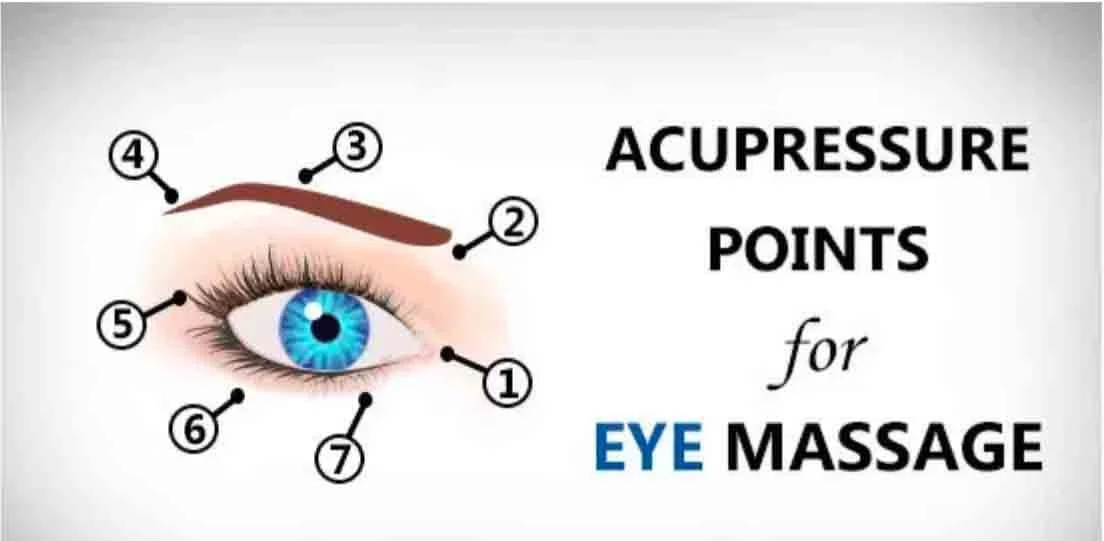
There are six muscles in each eye responsible for generating all the movements of the eyes in the bony orbits. If these muscles become too tight, loose or inflamed, problem with one’s visual acuity occur. By employing exercises and acupressure, one can tighten or loosen these muscles and bring down inflammation.
Use the following diagram as a guide. With clean fingers, gently massage each acupoint for 10 seconds, both eyes at the same time. Start with point #1, move to #2, and go around the eye ending with #7. Be sure to breathe deeply during this process. Once you make the round, rub your hands together to create heat friction and afterwards place the warm hands over your eyes until your hands cool down. Repeat the entire process several times per day.
Multiple Sclerosis (MS)
How do we treat Multiple Sclerosis at Complete Balance?
Exercise alone or acupuncture alone will help slightly but it cannot delay the progression of MS and improve the symptoms of MS drastically. Holistic approach to treatments that combine personalised exercise, dietary & lifestyle modification, acupuncture, specifically Zhu’s scalp acupuncture, herbal prescription and fascia release can help to restore lost function and improve one’s quality of life free from the disease. Treatments & therapies used will vary person to person as holistic treatments should be tailored according to individual’s constitution, progression & severity of the disease and any underlying disease. Scalp Acupuncture, specifically Zhu’s scalp acupuncture is an effective treatment to reverse the symptoms of MS.
Our step by step approach to MS:
1. Bring down inflammation attacking the specific areas of the CNS based on findings from imaging or based on symptoms that help therapists to locate what level of CNS have been damaged. Therapies to reduce inflammation are done in combination of TCM/Tung Acupuncture, Wet cupping, Bleeding therapy, Anti-inflammatory Herbal Formula, Supplements and TCM based Dietary modification. Treatments may require some of the therapies or all of the therapies depending on the severity of the inflammation and progression of the disease.
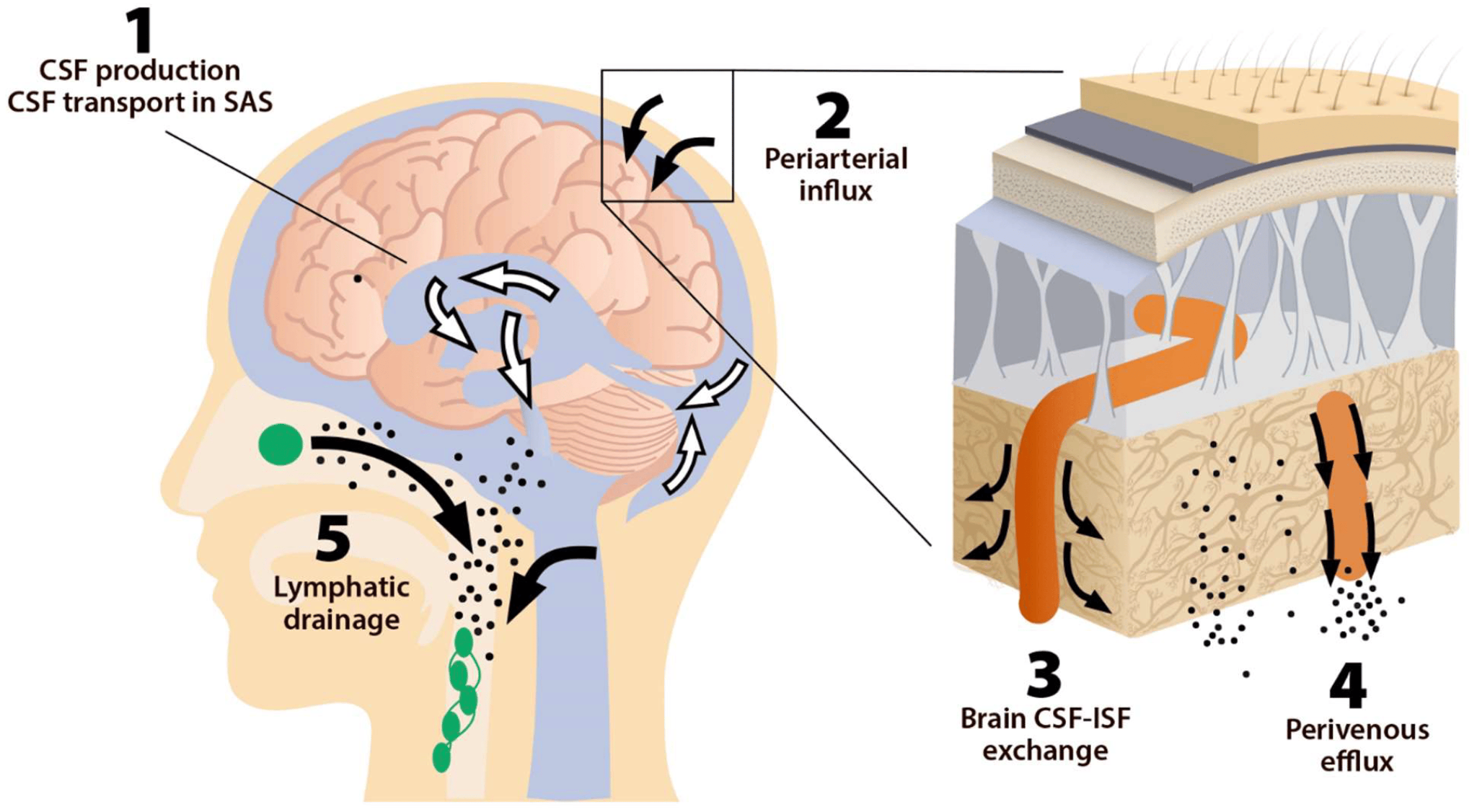
2. Improve overall constitution (respiratory & digestive function) and circulation with TCM/Tung Acupuncture, Moxibustion, Herbal Prescription and ongoing dietary modification. Improving circulation by removing Qi stagnation and nourishing Qi also enhances glymphatic & lymphatic clearance to detox the body. Treatments will also focus on strengthening overall health of liver and kidney which play an important role in lymphatic clearance.
3. Sacro Occipital Technique (SOT) & Chiropractic adjustment to allow the body to restore balance along with light adjustment to reposition and balance the pelvis and stimulate healthy nerve function which may have been lost as a result of attack to the CNS.
4. Scalp Acupuncture & Rehab Exercise to help the brain form new connections and pathways, creating new circuit wiring of the brain to areas where motor & sensory function have been lost and also to help the brain grow new neurons.
5. Good Ball therapy & Massage to release and improve the elasticity of the fascia that have been damaged and weakened as a result of damage to the CNS
6. Personalised rehab therapy to help to regain motor functions that have been lost.
What is Multiple Sclerosis (MS)?
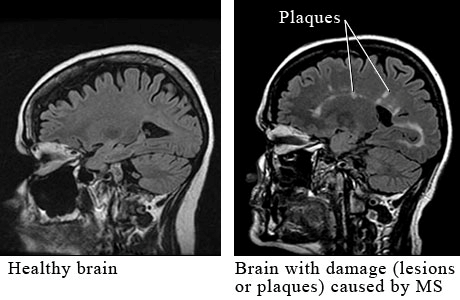
Multiple sclerosis (MS) is a progressive autoimmune disease of the central nervous system (brain & spinal cord). The disease attacks myelin, the protective covering of the nerves, causing inflammation and often damaging the myelin. Myelin is necessary for the transmission of nerve impulses through nerve fibres. When the myelin is damaged, the neurological pathway is blocked and the brain loses its ability to communicate and relay information to the different parts of the body.
MS is unpredictable and symptoms vary person to person depending on a variety of factors such as what area of CNS is attacked, the severity of the attack, the overall health of the individual and any underlying conditions that he/she may possess. Such symptoms include but are not limited to: extreme fatigue, lack of coordination, weakness, tingling, impaired sensation, vision problems, bladder problems, cognitive impairment and mood changes. In Western medicine, there is no cure for MS but rather treatments depending on the stage of the disease & symptoms. These treatments include steroids to reduce inflammation during a relapse and disease-modifying medicines to help reduce the number of relapses.
-
Multiple sclerosis is caused by factors that trigger your immune system to mistakenly attack the brain and nerves. It is likely a combination of both genetic and environmental factors. Potential occupational and domestic toxic metal exposures can be found everywhere. It is in our food, medicine, pesticide production, untreated sewage sludge, industrial waste, treated timber, agricultural runoff, materials used in dental restoration, paints, etc.. These toxic elements have been proposed to play a role in the pathogenesis of MS since their neurotoxic mechanisms mimic many of the pathogenic processes in MS. Metal toxicants can weaken the blood-brain-barrier, enabling multiple interacting toxicants to pass via the vascular system into our brain and enter into oligodendroglia and astrocytes which can lead to demyelination.
Our lymphatic and glymphatic system is our body’s waste disposal factory that can clear away these harmful debris. The cerebrospinal fluid acts as the lymph of the brain entering and flowing throughout the brain, eventually draining into the same ducts used by our lymphatic system. All the debris that is gathered eventually drains into the blood vessels and travels to the kidney and liver, where it is eliminated from the body. The health of our lymphatic and glymphatic system is both genetic and environmental. For example, high stress levels, poor diet, lack of exercise, poor sleeping hygiene, etc. can impact our circulatory system, thereby slowing down glymphatic and lymphatic clearance, causing toxicity to build up in our system. However, if you are genetically prone to weak circulation or have poor liver and/or kidney function, these factors can also slow down glymphatic and lymphatic clearance.
-
Exercise is good for everyone, but when you have MS, it is imperative to incorporate exercise in your everyday activity. This seems like the opposite of what your body wants to do, as it may be fatigued, stiff and in pain, but research shows that exercise can help manage or even alleviate various symptoms.
Use it or lose it! In order to create new pathways and strengthen neural connection, the brain has to recognize the need for its use. Exercising can help activate these connections and help improve strength, balance and even improve your mood. Everyone experiences MS differently therefore each person should be assessed professionally to see which method of exercise would best benefit his or her condition. Exercise should be modified as the needs of the individual change. -
● Yoga: Current empirical research illustrates a large body of evidence in the benefits and positive outcomes associated with the practice of yoga among individuals with MS. These benefits include improved strength and flexibility, reduced depression, decreased pain, reduced fatigue, increased lung capacity, improved bladder function, lower levels of stress, improved quality of life and muscle relaxation, and lower blood pressure.
● Aerobic exercise: Aerobic exercise is anything that elevates the heart rate and gets the blood circulating throughout the body. One should be getting in 150 minutes of moderate intensity aerobic activity a week and should be done in at least 10 minute intervals. Aerobic exercise can be anything from walking, riding a bicycle or even doing house chores around the house.
● Stretching: Stretching is the best way to maintain range of motion and help relieve muscle tightness or stiffness and help with symptoms of spasticity.
● Strength Training: Strength or resistance training should be done at least three times a week and can help to build and maintain strength. Weight bearing exercise releases osteocalcin from the bone which induces glymphatic clearance from the brain.
● Rehabilitation of lost motor function: Depending on the stage of the progression and the pathway that has been damaged, patients will exhibit different areas and different degrees of functional loss. Intervention at the earliest stage will result in best prognosis and patients may even live symptom free. Even if the disease has progressed, it is possible to restore lost function. The key is to stimulate the acupuncture zones that connect to where the neural pathways that have been damaged are in combination with rehabilitation exercises. At Complete Balance, not only have we seen patients improve in their movement and function, but they were able to maintain their progress over time.It will be important for those with MS to recognize and listen to the state of their body. Exercises that are too exhaustive or aggressive may cause severe fatigue or injury and may increase symptoms rather than alleviate it. It is also important to manage the body’s temperature as it may experience different symptoms as the core body temperature rises. It is better to take a gentler approach and exercise at a moderate intensity than to overdo it. If you have MS, check with one of our therapists to see what treatment combination would be best for you.
Neuropathy
Peripheral neuropathy involves damage to the peripheral nerves and may cause numbness, tingling, burning sensations, or weakness.
Treatment focuses on improving nerve circulation, reducing inflammation, and supporting nerve regeneration through acupuncture, rehabilitation therapy, and internal health support.
Parkinson’s Disease Support
Parkinson’s disease affects movement control and can lead to tremors, stiffness, slowed movement, and balance difficulties.
Integrative neurological care may help improve mobility, coordination, balance, and overall quality of life through neuro-acupuncture, rehabilitation exercises, and supportive therapies.
Spinal Cord Injury
Spinal cord injuries disrupt communication between the brain and body, leading to changes in movement, sensation, and autonomic function.
Early intervention is particularly important. Patients who begin integrative neurological rehabilitation early often experience greater improvements in mobility and functional recovery.
Treatment may include neuro-acupuncture, rehabilitation therapy, manual therapy, and chiropractic care to support neurological signalling and functional improvement.
Stroke Recovery
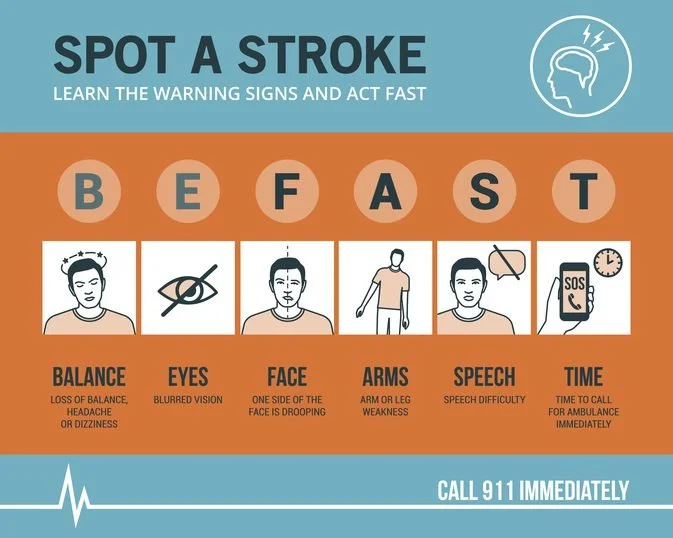
Stroke, also known as “wind stroke” in Chinese Medicine, is a cardiovascular condition that occurs when blood flow to certain areas of the brain is cut off, causing brain cell damage due to the deprivation of oxygen. The symptoms that follow as a result of the damage are collectively called a stroke. These symptoms are wide-ranging and are directly related to the severity and location of the damage in the brain and how quickly blood supply returns to the affected cells.
How do we treat stroke at Complete Balance?
During the onset of stroke, our goal would be to reduce swelling in the brain to reduce the severity of the damage. This is why the earlier the intervention, the better the prognosis. In addition, acupuncture can serve to restore blood and oxygen flow back into the brain to prevent further cell death. Lastly, acupuncture treatments can break down the clots without any side effects.
At Complete Balance, we use a combination of Tung acupuncture along with Zhu’s scalp acupuncture. This particular style of acupuncture has been practiced since the 70’s and is recognized worldwide for its effectiveness in treatment of neurological conditions, particularly stroke.
Although the results are most remarkable in the acute stage as earlier intervention reduces the number of deficits, Zhu’s scalp acupuncture in combination with Daoyin can speed up the recovery process and help regain lost functions, which perhaps may not return on its own. For lost motor or sensory function, treatments have to be repeated frequently to reinforce the neurological pathway. The treatment of stroke is a specialized technique that require specific skills and training.
-
There are two major types of stroke: ischemic stroke resulting from a clot blocking a blood vessel, and a rupture in the blood vessel which is known as hemorrhagic stroke.
Years of poor dietary and lifestyle habits create plaque buildup in the inner lining of the blood vessels, making the vessels harder and more narrow. Therefore, a person with high levels of cholesterol, triglycerides or thick blood have increased risk of ischemic stroke. A clot from the heart could also travel to the brain and this is often seen in individuals with atrial fibrillation or heart valve problems. It takes years for this build up to occur so ischemic stroke is most commonly seen in the older population.
One of the leading causes of hemorrhagic stroke is the weakening of arteries over time due to high blood pressure. Other factors such as traumatic injury to the brain, a tumour, an infection, complications from drugs or birth defects that result in abnormalities in the vessels leading to aneurysms or arterio-venous malformation can also rupture the blood vessel in the brain. This is why hemorrhagic stroke can happen at any age.
An experienced doctor can differentiate the types of stroke based on the patient’s symptoms but diagnosis is best confirmed through CT scan or MRI. CT scans are unable to detect new clots in the first 48 hours of the stroke so MRI would provide a more accurate view.
-
Stroke is an emergency condition where every second counts. Stroke patients are often admitted into the hospital to receive a range of tests to determine the type of stroke, area of the damage in the brain and the severity of the damage.
Ischemic stroke patients are often given Warfarin, a blood thinner to prevent the formation of new clots. However, this drug does not dissolve clots that have already formed so the functions that have been lost as a result of the clot cannot be regained with the use of this medication. Overdose of Warfarin can also lead to internal bleeding.
Tissue plasminogen activator (tPA) is another FDA approved drug administered on ischemic stroke patients as it has the ability to break down the clot. However, this drug comes with many limitation. First, the drug has to be administered within 3 hours from the onset of stroke. In addition, tPA can lead to complications for patients with history of bleeding, seizure episodes or high blood pressure. Lastly, there have been reports of death or secondary hemorrhagic stroke as it increases the risk of bleeding.
For hemorrhagic stroke patients, the major part of the damage is contributed by the swelling in the brain. In order to bring down the swelling, they may require a surgery to drain the blood accumulation and to relieve the compression in the brain.
When the doctor feels that symptoms are stabilizing, depending on the severity of the sequelae, patients will either be transferred and admitted into a rehabilitation center for a period of time or be discharged and connected to a rehabilitation center as an outpatient. As the brain starts to heal, some functions may return on its own but only to a limited extent.
-
When a stroke occurs, the blood supply to the area downstream from the lesion is cut off, preventing brain cells in the area from receiving oxygen and nutrients. Brain cells have no backup energy source so within a few minutes of oxygen deprivation, these cells become damaged and results in cell death. Consequently, the body parts controlled by those damaged cells also lose their function. This could range from loss of voice to complete paralysis on one side of the body.
Between the two groups of stroke, prognosis is often worse for hemorrhagic stroke. This is because ruptured blood vessels leads to two major consequences: first the blood leaks into the space surrounding the lesion causing compression and damage to the surrounding cells. In addition, areas of the brain tissue downstream from the lesion is unable to receive blood flow and larger areas of the brain receives damage. If the bleeding is severe, the pressure can cause the brain to shift and be pushed through the skull foramen, resulting in death. The inflammatory reaction to cell death results in continuous swelling of the brain, peaking at Day 4 to 5, so symptoms continue to worsen for a few days before patient shows stabilization.
Trigeminal Neuralgia
Trigeminal Neuralgia is a severe facial pain condition affecting the trigeminal nerve, often described as sharp, electric shock-like pain triggered by everyday activities.
Treatment may include:
• Zhu’s Scalp Acupuncture targeting trigeminal nerve pathways
• Bleeding therapy to relieve stagnation and nerve compression
• Chiropractic care to improve cervical circulation
• herbal medicine and lifestyle support to reduce inflammation
Because chronic facial pain can significantly affect emotional well-being, supportive mental health care may also be integrated when appropriate.
Vertigo & Vestibular Disorders
Vertigo and vestibular disorders affect the body’s balance system and can cause symptoms such as dizziness, spinning sensations, imbalance, nausea, visual disturbances, and difficulty concentrating.
Common conditions include:
• Benign Paroxysmal Positional Vertigo (BPPV)
• Vestibular neuritis or labyrinthitis
• chronic dizziness and imbalance
• post-concussion vestibular dysfunction
• migraine-associated vertigo
Treatment may include neuro-acupuncture, vestibular rehabilitation exercises, manual therapy, chiropractic care, and lifestyle guidance to help restore balance system function.
Book a Consultation
If you or a loved one is living with a neurological condition, our team can help determine whether integrative neurological rehabilitation may be beneficial.