
Neurological Rehabilitation & Complex Conditions
Integrative Neurological Care in North York / Toronto
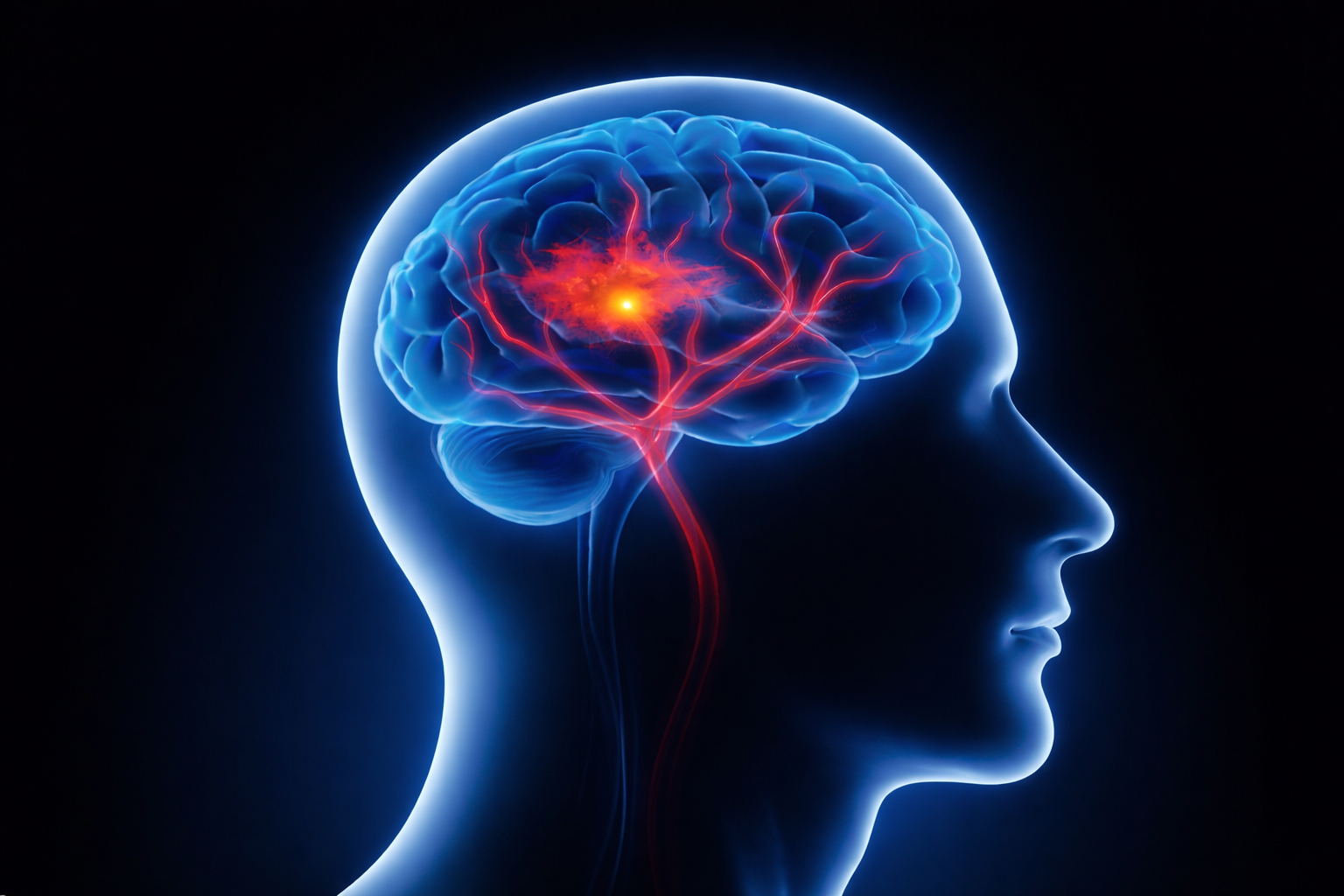
At Complete Balance, we specialize in supporting individuals living with complex neurological conditions and neurological recovery through an integrated rehabilitation approach.
Neurological disorders affect the brain, spinal cord, and peripheral nerves, often impacting movement, sensation, coordination, cognition, speech, and overall quality of life. While conventional medical care plays an important role in diagnosis and stabilization, many individuals continue to experience lingering neurological symptoms that require targeted rehabilitation.
Our clinic integrates neuro-acupuncture, neurological physiotherapy, manual therapy, chiropractic care, herbal medicine, and nutritional guidance to help restore communication between the brain and body.
By addressing both neurological signalling and whole-body health, treatment aims to promote neuroplasticity, retrain movement patterns, reduce inflammation, and improve long-term neurological function.
Quick Navigation
Jump directly to the condition you’re looking for:
Autism Spectrum Support • Bell’s Palsy & Facial Paralysis • Chronic Migraines & Neurological Headaches • Complex Regional Pain Syndrome (CRPS) • Concussion & Post-Concussion Syndrome • Multiple Sclerosis (MS) • Neuropathy • Parkinson’s Disease Support • Spinal Cord Injury • Stroke Recovery • Trigeminal Neuralgia • Vertigo & Vestibular Disorders
Why Neurological Rehabilitation Matters
Damage to the brain or nervous system does not always mean lost function is permanent. The brain has the remarkable ability to adapt and reorganize itself through neuroplasticity, forming new neural pathways that compensate for damaged ones.However, this process rarely occurs automatically. Targeted therapies that stimulate the brain, retrain movement patterns, and improve communication between the brain and body are often necessary to support meaningful recovery.At Complete Balance, neurological rehabilitation combines neuro-acupuncture, rehabilitation therapy, manual therapy, and internal health support to stimulate neuroplasticity and help the brain rebuild functional connections.
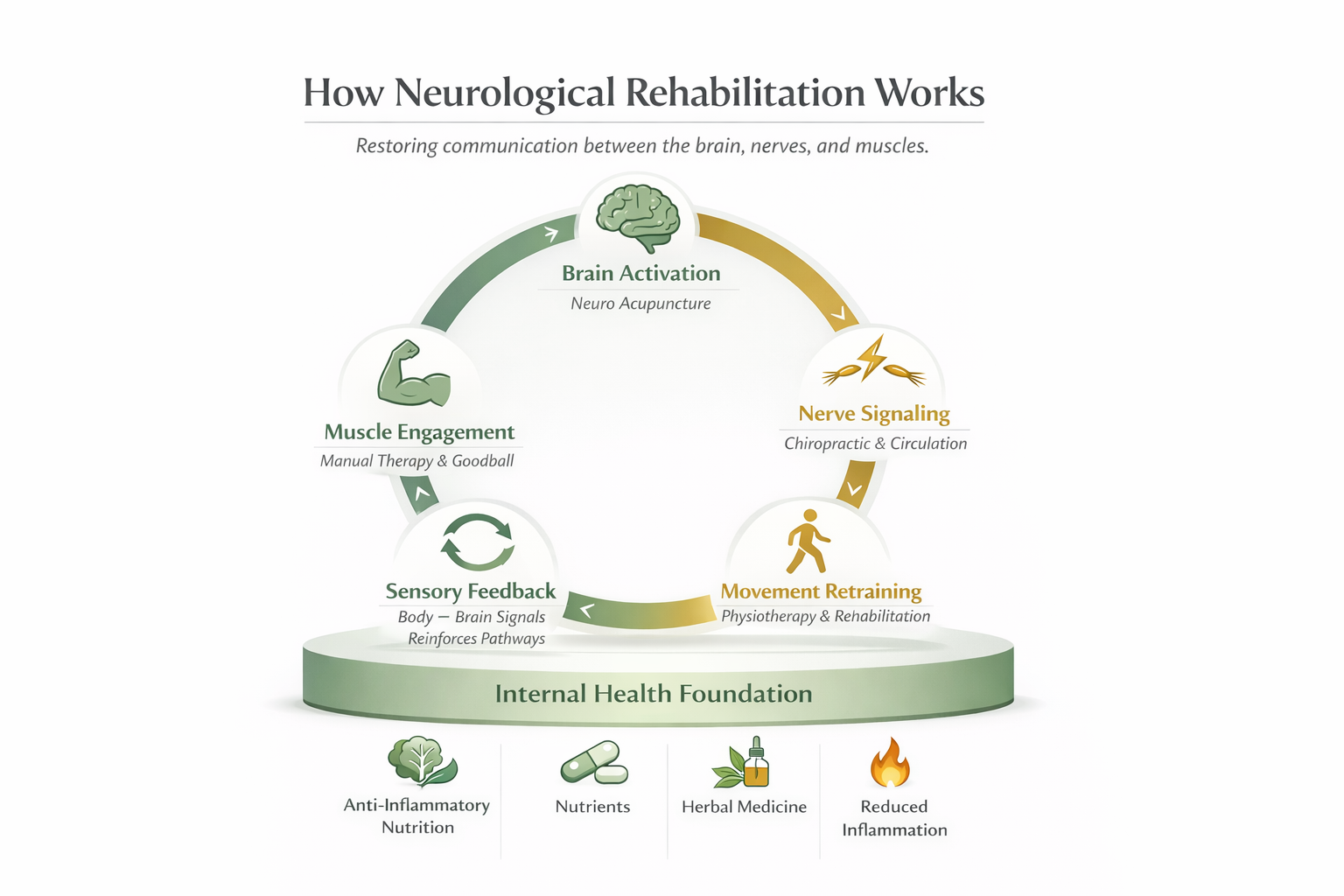
How Neurological Rehabilitation Works
Neurological recovery depends on restoring communication between the brain, nerves, and muscles.Recovery occurs through continuous feedback between the brain and body. Our therapies stimulate neural pathways, retrain movement, and support internal health to promote neurological repair.
Autism Spectrum Support
Autism spectrum conditions involve neurological differences that affect communication, sensory processing, and behavioural regulation.
While autism itself cannot be cured, supportive therapies may help reduce the severity of certain symptoms and improve daily functioning.
Care may focus on:
• calming the nervous system
• reducing sensory sensitivities
• improving emotional and behavioural regulation
Treatment approaches are personalized according to each individual’s needs.
Bell’s Palsy & Facial Paralysis
Bell’s Palsy is a sudden facial paralysis caused by inflammation of the facial nerve. Symptoms may include facial drooping, difficulty closing the eye, impaired facial expression, and changes in taste.
Treatment focuses on restoring nerve function and facial muscle coordination.
Therapies may include:
• Zhu’s Scalp Acupuncture targeting facial motor regions
• Tung-style distal acupuncture points
• Therapeutic facial exercises and Daoyin movement therapy
• Chiropractic care supporting cervical and cranial alignment
• Herbal medicine and dietary strategies to reduce inflammation
Early treatment can significantly accelerate recovery, although chronic cases may also benefit from integrative care.
Complex Regional Pain Syndrome (CRPS)
Complex Regional Pain Syndrome is a chronic pain condition that most commonly develops after trauma or injury to a limb.
Symptoms may include severe pain, hypersensitivity to touch, swelling, temperature changes, and reduced mobility.
Our treatment approach focuses on:
• improving circulation
• calming overactive pain pathways
• restoring movement and function
Treatment may include acupuncture, moxibustion, rehabilitation therapy, manual therapy, chiropractic care, and supportive lifestyle guidance.
Concussion & Post-Concussion Syndrome
Concussions can lead to persistent symptoms, including headaches, dizziness, brain fog, fatigue, visual disturbances, and sensitivity to light or sound.
Our approach focuses on addressing the underlying contributors to prolonged recovery.
Treatment may include:
• reducing neuro-inflammation
• improving vestibular function and balance
• restoring structural alignment
• reducing sensitivity to sensory stimulation
Neuro-acupuncture, rehabilitation therapy, chiropractic care, and lifestyle guidance help support the brain’s healing process.
Multiple Sclerosis (MS)
Canada has one of the highest rates of multiple sclerosis (MS) in the world. MS is a progressive autoimmune condition that affects the central nervous system, in which the immune system attacks myelin — the protective covering around nerves — disrupting communication between the brain and the body.
Symptoms may include fatigue, weakness, impaired coordination, sensory changes, and balance difficulties.
At Complete Balance, care focuses on supporting neurological signalling, reducing inflammation, and improving functional movement through an integrated rehabilitation approach.
Treatment may include:
• Zhu’s Scalp Neuro-Acupuncture to stimulate neuroplasticity
• Rehabilitation exercises to improve strength, coordination, and balance
• Manual therapy, massage, and Goodball therapy to improve neuromuscular awareness
• Chiropractic care to support nervous system communication
• Herbal medicine, nutritional support, and anti-inflammatory dietary guidance
Our goal is to help patients maintain mobility, reduce symptom severity, and improve long-term quality of life.
Neuropathy
Peripheral neuropathy involves damage to the peripheral nerves and may cause numbness, tingling, burning sensations, or weakness.
Treatment focuses on improving nerve circulation, reducing inflammation, and supporting nerve regeneration through acupuncture, rehabilitation therapy, and internal health support.
Parkinson’s Disease Support
Parkinson’s disease affects movement control and can lead to tremors, stiffness, slowed movement, and balance difficulties.
Integrative neurological care may help improve mobility, coordination, balance, and overall quality of life through neuro-acupuncture, rehabilitation exercises, and supportive therapies.
Spinal Cord Injury
Spinal cord injuries disrupt communication between the brain and body, leading to changes in movement, sensation, and autonomic function.
Early intervention is particularly important. Patients who begin integrative neurological rehabilitation early often experience greater improvements in mobility and functional recovery.
Treatment may include neuro-acupuncture, rehabilitation therapy, manual therapy, and chiropractic care to support neurological signalling and functional improvement.
Stroke Recovery
Stroke occurs when blood flow to the brain is interrupted, causing damage to brain cells and affecting movement, sensation, speech, or cognition.
While emergency medical care stabilizes the patient, many individuals continue to experience weakness, spasticity, impaired coordination, and reduced independence.
At Complete Balance, stroke rehabilitation focuses on helping the brain relearn lost functions through neuroplasticity.
Treatment may include:
• Zhu’s Scalp Neuro-Acupuncture targeting affected brain regions
• Neuro-physiotherapy to retrain motor and sensory pathways
• Manual therapy to improve circulation and mobility
• Chiropractic care to support nervous system communication
• Herbal medicine and nutritional support to reduce inflammation
Early intervention can significantly improve recovery outcomes, though even individuals living with chronic stroke symptoms may benefit from targeted neurological rehabilitation.
Trigeminal Neuralgia
Trigeminal Neuralgia is a severe facial pain condition affecting the trigeminal nerve, often described as sharp, electric shock-like pain triggered by everyday activities.
Treatment may include:
• Zhu’s Scalp Acupuncture targeting trigeminal nerve pathways
• Bleeding therapy to relieve stagnation and nerve compression
• Chiropractic care to improve cervical circulation
• herbal medicine and lifestyle support to reduce inflammation
Because chronic facial pain can significantly affect emotional well-being, supportive mental health care may also be integrated when appropriate.
Vertigo & Vestibular Disorders
Vertigo and vestibular disorders affect the body’s balance system and can cause symptoms such as dizziness, spinning sensations, imbalance, nausea, visual disturbances, and difficulty concentrating.
Common conditions include:
• Benign Paroxysmal Positional Vertigo (BPPV)
• Vestibular neuritis or labyrinthitis
• chronic dizziness and imbalance
• post-concussion vestibular dysfunction
• migraine-associated vertigo
Treatment may include neuro-acupuncture, vestibular rehabilitation exercises, manual therapy, chiropractic care, and lifestyle guidance to help restore balance system function.
Book a Consultation
If you or a loved one is living with a neurological condition, our team can help determine whether integrative neurological rehabilitation may be beneficial.