
Pain, Injury & Physical Rehabilitation
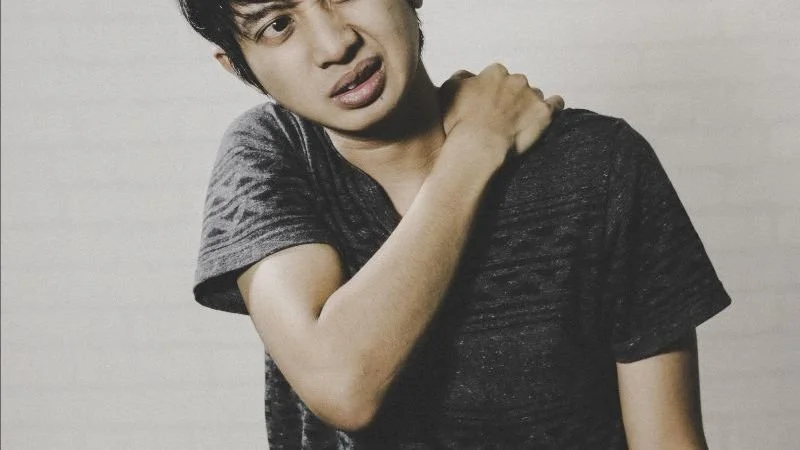
Integrative Care for Musculoskeletal Pain & Mobility in North York / Toronto / Stouffville
Pain and mobility issues often arise when the body’s structural balance, soft tissues, and nervous system communication are disrupted. Injuries, poor posture, repetitive strain, or degenerative changes can lead to chronic pain, restricted movement, and reduced quality of life.
At Complete Balance, we provide integrated rehabilitation care that combines physiotherapy, chiropractic care, therapeutic massage, acupuncture, and fascial therapy to restore mobility and reduce pain.
Rather than focusing on symptoms alone, our approach addresses the underlying structural, muscular, and neurological factors contributing to pain. By improving circulation, restoring joint mobility, releasing fascial restrictions, and retraining movement patterns, treatment helps the body recover more efficiently and prevents future injury.
Rather than treating pain in isolation, our team evaluates how the nervous system, musculoskeletal system, and overall health interact, allowing us to address both the symptoms and the underlying causes of pain.
Quick Navigation
Jump directly to the condition you’re looking for:
Arthritis • Carpal Tunnel Syndrome • Chronic Pain • Chronic Fatigue • Fibromyalgia • Frozen Shoulder • Joint Pain • Muscle Spasm • Neck & Back Pain • Plantar Fasciitis • Postural Issues • Sciatica • Scoliosis • Sports Injuries • Sprain & Strain • Tendonitis • TMJ Dysfunction
Understanding Pain
Pain is the body’s protective response to a perceived threat. It is the nervous system’s way of signalling that something within the body is not functioning optimally.
These threats can arise from many different sources, including:
• inflammation caused by poor posture or repetitive strain
• abnormal movement patterns or gait imbalance
• structural stress on joints and connective tissue
• digestive or metabolic stress from a poor diet
• visual strain and prolonged screen use
• chronic stress affecting the nervous system
When these stressors persist, the body may respond with muscle tension, inflammation, restricted movement, or heightened pain sensitivity.
Rather than simply masking pain, our approach focuses on identifying and correcting the underlying causes that are triggering the body’s protective response.
Acute vs Chronic Pain
Not all pain requires long-term treatment.
When pain is addressed early in the acute stage, the body may respond quickly. Correcting the immediate cause of irritation—such as muscle tension, joint restriction, or inflammation—can allow the body to recover within one to three treatments.
However, some pain develops gradually as a result of ongoing stress to the body’s systems. Poor posture, repetitive strain, abnormal gait patterns, digestive inflammation, or chronic stress can create persistent strain on tissues and the nervous system.
In these situations, treatment may require a more comprehensive and holistic approach to address the underlying contributors to pain.=
Why Pain Persists
Pain sometimes continues long after the original injury has healed. This often occurs because the underlying factors that triggered the body’s protective response have not yet been fully addressed.
Common reasons pain persists include:
• ongoing inflammation within tissues or joints
• poor posture or repetitive strain
• restricted joint mobility or muscular imbalance
• abnormal gait or movement patterns
• chronic stress affecting the nervous system
• systemic inflammation related to diet or lifestyle
Over time, the nervous system may become more sensitive to these stressors, causing pain signals to remain active even when the original injury has improved.
Effective treatment, therefore, focuses on identifying and correcting the root contributors to pain, rather than simply suppressing symptoms.
Our Integrated Rehabilitation Approach
Musculoskeletal pain often involves multiple systems of the body working together. Effective care focuses on restoring structural balance, healthy movement patterns, and proper circulation.
Treatment may include:
Physiotherapy & Rehabilitation
Physiotherapy focuses on restoring strength, flexibility, and functional movement patterns. Personalized rehabilitation programs help retrain muscles, stabilize joints, and prevent re-injury.
Chiropractic Care
Chiropractic adjustments restore joint mobility and improve spinal alignment, helping reduce pressure on nerves and surrounding tissues.
Therapeutic Massage & Soft Tissue Therapy
Massage therapy releases muscle tension, improves circulation, and restores elasticity in connective tissues.
Acupuncture
Acupuncture helps reduce inflammation, relax muscles, and improve circulation by stimulating points that influence the nervous system.
Goodball Fascial Therapy
The Goodball method uses specialized soft balls designed to match the density of connective tissue. By stimulating deep fascial layers, Goodball therapy helps restore elasticity, improve circulation, and release deep muscular tension.
Common Symptoms We See
Many patients seek care because of symptoms rather than a specific diagnosis.
Common symptoms we help address include:
• persistent neck or back pain
• radiating pain into the arms or legs
• stiffness or restricted movement in joints
• numbness or tingling in the hands or feet
• muscle tightness or spasms
• headaches related to neck or jaw tension
• shoulder or hip pain that limits movement
• jaw clicking or difficulty opening the mouth
• recurring injuries that never fully resolve
Through careful assessment, our team identifies the contributing factors behind these symptoms and develops a personalized treatment plan to restore mobility and reduce pain.
Arthritis
Arthritis refers to inflammation of the joints that can lead to pain, stiffness, swelling, and reduced mobility. Over time, joint inflammation may contribute to cartilage degeneration and decreased joint function.
Treatment focuses on reducing inflammation, improving joint mobility, and strengthening surrounding muscles to support joint stability.
Carpal Tunnel Syndrome
Carpal tunnel syndrome occurs when the median nerve becomes compressed at the wrist, often causing numbness, tingling, and weakness in the hand and fingers.
Treatment focuses on reducing nerve compression, improving circulation, and restoring mobility in the wrist and forearm.
Chronic Fatigue
Chronic fatigue may arise from prolonged physical stress, systemic inflammation, or nervous system dysregulation. Persistent fatigue can affect energy levels, physical endurance, and mental clarity.
Treatment focuses on improving circulation, supporting nervous system balance, and restoring overall energy regulation.
Chronic Pain
Chronic pain often develops when injury, inflammation, or nervous system sensitization persists beyond the normal healing period.
Treatment focuses on reducing inflammation, improving tissue health, restoring movement, and calming overactive pain pathways
Fibromyalgia
Fibromyalgia is characterized by widespread musculoskeletal pain, fatigue, sleep disturbances, and heightened sensitivity to pressure.
Treatment focuses on improving circulation, reducing muscular tension, regulating the nervous system, and supporting overall physical resilience.
Frozen Shoulder (Adhesive Capsulitis)
Frozen shoulder is characterized by stiffness and pain in the shoulder joint due to inflammation and thickening of the joint capsule.
Treatment focuses on gradually restoring mobility, reducing inflammation, and improving range of motion through physiotherapy, manual therapy, and acupuncture.
Joint Pain
Joint pain may occur due to injury, overuse, inflammation, or degenerative changes affecting cartilage and surrounding tissues.
Treatment focuses on improving joint alignment, restoring mobility, strengthening supporting muscles, and reducing inflammation.
Muscle Spasm
Muscle spasms occur when muscles contract involuntarily, often due to injury, fatigue, poor circulation, or nervous system irritation.
Spasms can restrict blood flow and reduce oxygen and nutrient delivery to tissues, contributing to pain and stiffness.
Treatment focuses on improving circulation, releasing muscle tension, and restoring normal movement patterns.
Neck & Back Pain
Neck and back pain are among the most common musculoskeletal complaints. Pain may originate from spinal joints, discs, muscles, ligaments, or nerve irritation.
Treatment focuses on restoring spinal alignment, improving muscular balance, and relieving pressure on surrounding nerves and tissues.
Plantar Fasciitis
Plantar fasciitis is a common cause of heel pain caused by inflammation of the plantar fascia, the connective tissue along the bottom of the foot.
Treatment focuses on reducing inflammation, improving foot mechanics, and restoring flexibility in the fascia.
Postural Issues
Poor posture places excessive stress on the spine and surrounding muscles. Over time, this can contribute to chronic pain, fatigue, and reduced mobility.
Treatment focuses on strengthening supportive muscles and restoring structural balance.
Sciatica
Sciatica describes pain that travels along the sciatic nerve from the lower back through the buttocks and down the leg.
Treatment focuses on reducing nerve irritation, improving spinal alignment, and restoring mobility in surrounding muscles.
Scoliosis
Scoliosis is characterized by an abnormal curvature of the spine. While mild cases may produce minimal symptoms, more severe curvature can lead to muscular imbalance and pain.
Treatment focuses on improving spinal mobility and strengthening supportive muscles.
Sports Injuries
Sports injuries may occur due to trauma, repetitive strain, or overuse of muscles and joints.
Treatment focuses on reducing inflammation, restoring mobility, strengthening tissues, and safely returning individuals to activity.
Sprain & Strain
A sprain refers to the stretching or tearing of ligaments, while a strain involves injury to muscles or tendons.
Treatment focuses on reducing inflammation, restoring mobility, and strengthening the injured tissues.
Tendonitis
Tendonitis is inflammation or irritation of a tendon, often caused by repetitive strain or overuse.
Treatment focuses on reducing inflammation, improving circulation, and restoring normal movement patterns.
TMJ Dysfunction
Temporomandibular joint disorder (TMJ) affects the joint connecting the jaw to the skull.
Symptoms may include jaw pain, clicking sounds, headaches, and difficulty opening or closing the mouth.
Treatment focuses on improving joint mobility, releasing muscle tension around the jaw and neck, and restoring proper alignment.
Book a Consultation
If you are experiencing persistent pain, limited mobility, or musculoskeletal injury, our team can help determine the most appropriate rehabilitation approach.