
Can Psychotherapy Actually Reshape Our Brain?: Parkinson's Disease

What is Parkinson’s Disease?
You may have come across the term but what exactly happens to the body of someone who develops Parkinson's? Parkinson’s disease is a debilitating brain disorder that affects about 1 in every 500 people in Canada and is the second-most-common chronic and progressive neurodegenerative disease. There are currently over 100,000 Canadians who suffer from Parkinson’s. Parkinson’s disease is exemplified by stiffness, shaking, and difficulty with walking balance, and coordination. Despite the disease having largely physical symptoms initially, it is caused by a neurological deficit in a chemical within the brain, dopamine. While dopamine is typically known as the “happy” chemical within the brain, it also plays a vital role in the initiation and control of motor skills. While these symptoms can be managed through traditional pharmacological means, there is evidence that shows that acupuncture has been found to be able to improve neuronal functioning within the affected areas of the brain. When both treatments are used, they provide better results than engaging in either treatments individually.

How does Parkinson's affect mental health and cognition?
Unfortunately, Parkinson’s disease is a degenerative disease with no cure and as a result, the initial diagnosis commonly causes emotional distress. On top of that, while initially manifesting largely through physical symptoms, over time, other neurological symptoms begin to appear such as cognitive and behavioural changes, changes in sleeping patterns, and memory issues. As time passes, it can continue to lead to a growing sense of hopelessness as both the physical and non-physical symptoms worsen. It is not surprising, that almost half of Parkinson’s disease patients experience depression. It is important to address these symptoms as soon as they develop, or even pre-emptively.
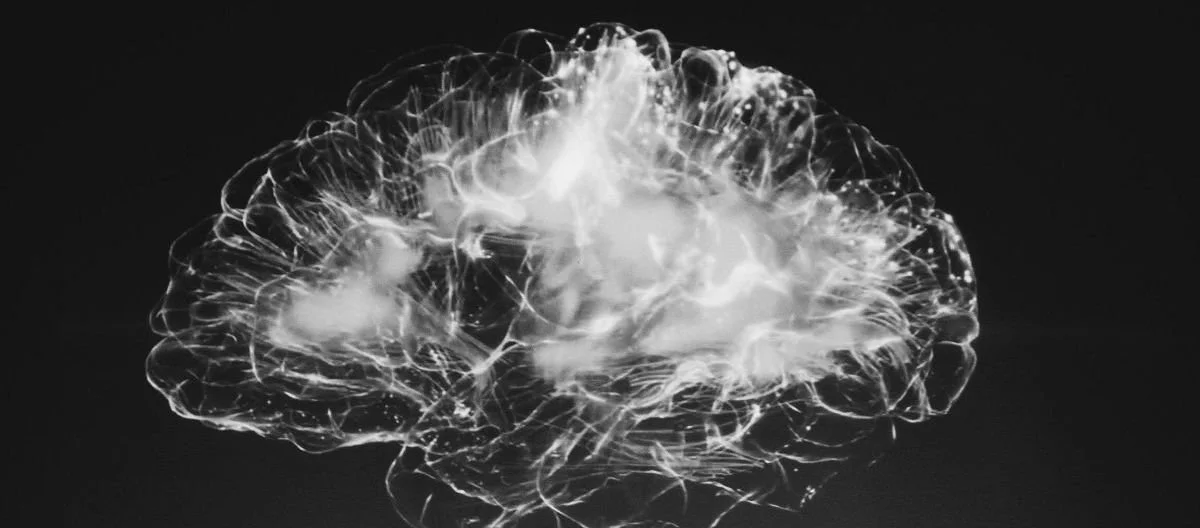
How can psychotherapy change brain networks to improve Parkinson’s disease symptoms?
There are many forms of psychotherapy that can be useful in managing these symptoms, with the most common being cognitive behavioural therapy (CBT). Psychotherapy is also a very effective way to manage some of the non-physical symptoms of Parkinson’s disease, through learning to manage the emotional changes as well as being able to improve cognitive functioning. A growing amount of research suggests that using mindfulness-based interventions has also been found to have a significant impact upon the brain itself.
Last month, one of our social media posts talked about the impact of experiences on the brain, focusing on the idea of neuroplasticity. Neuroplasticity states that the networks of neurons within our brain can constantly be shaped and reshaped, through our conscious experiences. For example, think about the last time you learned a skill. At first, it is overwhelming and there is a lot to attend to at once, but as you practice the skill, you begin to be able to execute the skill without much thought or focus. Mindfulness is one of those skills. In general, mindfulness help to focus our attention onto one experience and to learn to accept all others as is. This practice has been found to reduce stress, improve overall quality-of-life, and also to improve a person’s ability to focus and other cognitive abilities such as processing information.
What does this mean for people who are considering psychotherapy? Whether you are seeking therapy to manage non-physical symptoms of Parkinson's or other factors that disrupt your mental health, it is possible for psychotherapy to literally reshape our brains into more healthy ways.
